 GiftX
GiftXWhether you're celebrating a coworker's milestone, showing appreciation to your team, or navigating the annual office gift exchange, finding the right present can feel tricky. This year's gifts for coworkers go beyond the typical desk calendar-we've curated a mix of useful gifts that people actually want, plus some genuinely unique office gifts that spark joy in a cubicle-bound world. The 2026 standouts balance practicality with personality, recognizing that your coworkers deserve something better than generic corporate swag.
Save this as your wishlist - free AI gift picker
Love these picks? Save them as your shared wishlist in seconds, then let GiftX's free AI find even more gift ideas for anyone on your list.
Get GiftX on iOS Get it on Google Play Try the free AI gift picker
What sets this year's picks apart is the focus on gifts that enhance the workday without demanding much thought. From ergonomic accessories to thoughtful wellness items, each selection considers the reality of office life-long meetings, tight deadlines, and the occasional need for a morale boost. Whether your budget is modest or generous, you'll find options that feel genuinely appreciated.
Under $25 Essentials
Sometimes the best gifts are the ones people actually use every day. This collection of desk organizers and essential writing tools keeps your coworker's workspace neat and ready for anything, without breaking the bank.
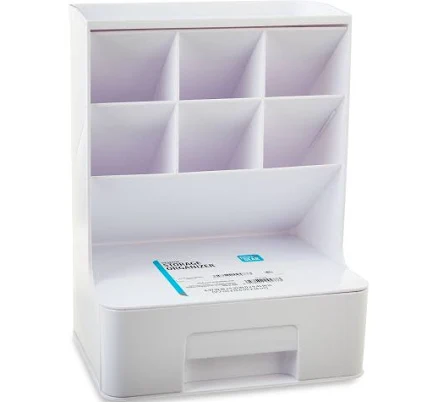
Pen Gear Tall Organizer
The Pen Gear Tall Organizer is a sleek vertical storage solution that holds pens, pencils, and small office supplies without hogging desk real estate. For the coworker whose desk is perpetually cluttered, this compact unit brings instant order and accessibility. The weighted base keeps it stable even when fully loaded, and its open-top design means everything stays visible and within reach. Perfect for anyone who values organization but lacks the space for a full desktop suite.
See it →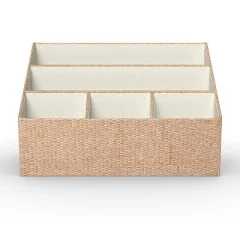
Threshold Woven 5-Slot Desktop Storage Set
Threshold's Woven 5-Slot Desktop Storage Set brings natural texture and warmth to workspace organization. These five interlocking bins work together to compartmentalize documents, gadgets, and supplies while adding a finished, designer-ready touch to any desk. The woven material feels intentional and upscale, making organization feel like decor rather than a chore. Ideal for the coworker who takes pride in their workspace and appreciates pieces that look as good as they function.
See it →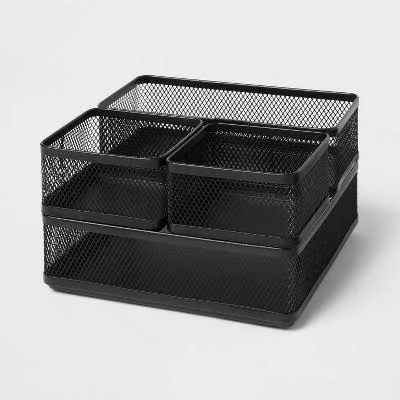
Brightroom Mesh Desk Organizer
The Brightroom Mesh Desk Organizer from Target combines industrial appeal with serious functionality. Its open metal construction lets you see everything at a glance while keeping pens, pencils, and desk essentials grouped and accessible. The mesh design prevents items from shifting when you reach in, and it's durable enough to withstand daily office life. Great for the minimalist coworker who likes clean lines and practical design.
See it →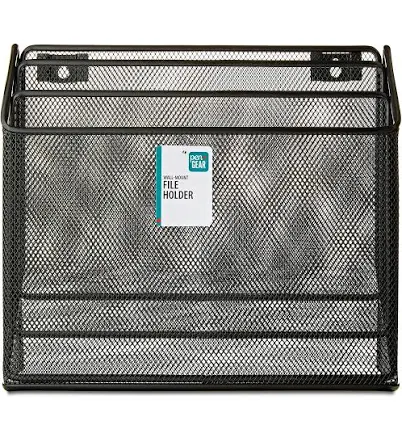
Pen+gear Desktop Organizers
Pen+gear's Desktop Organizers offer modular flexibility so your coworker can customize their setup exactly as they need it. These stackable units let you build up or out, accommodating growing collections of supplies without requiring a desk redesign. The neutral color palette fits seamlessly into any office environment, from buttoned-up corporate to laid-back creative. Perfect for the organized-minded colleague who likes to tweak and improve their workflow.
See it →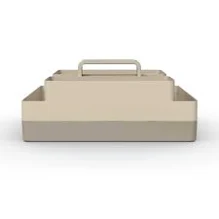
IKEA KUGGIS desk organizer set 2 pieces
IKEA's KUGGIS desk organizer set comes as two pieces that work independently or together for flexible storage. This budget-friendly option brings Scandinavian simplicity to supply management, with compartments sized for everything from sticky notes to desk toys. The clean design keeps visual clutter at bay while maintaining an uncluttered, professional appearance. Ideal for the coworker who appreciates minimalism and doesn't want their organizer to compete for attention on their desk.
See it →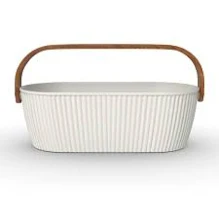
Threshold Desktop Caddy Desk Organization Set
The Threshold Desktop Caddy Desk Organization Set is a multitasking powerhouse that corrals supplies, documents, and accessories in one unified system. Its modular sections mean each coworker can configure it their own way, and the soft, tactile finish makes reaching for supplies feel pleasant. The elevated design keeps everything within arm's reach without eating into valuable workspace. Best for the busy professional juggling multiple projects and tools throughout the day.
See it →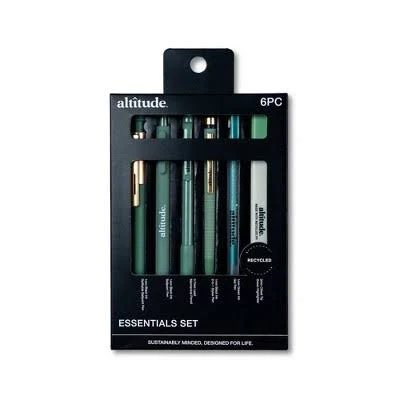
Altitude Essential Writing Kit
Altitude's Essential Writing Kit is a comprehensive starter set that covers all the basics for getting organized and creative. It includes everything from pens to sticky notes to highlighters, packaged thoughtfully for gifting. The carefully curated selection shows you've thought about what they actually need, not just what was convenient. Best for the new coworker, the recent graduate, or anyone rebuilding their desk supplies after a move or refresh.
See it →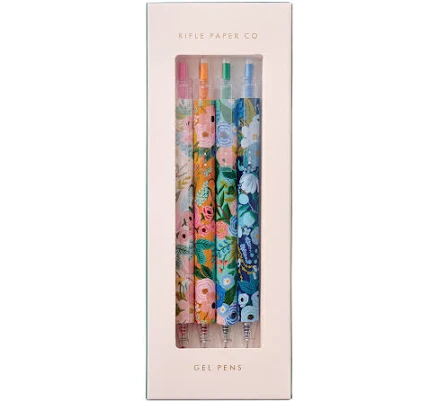
Rifle Paper Co. Garden Party Gel Pen Set of 4
Rifle Paper Co.'s Garden Party Gel Pen Set of 4 distills their signature aesthetic into a focused, giftable collection. Four coordinating colors in smooth gel formula make these pens practical for color-coding projects and adding visual interest to planning. The compact set size means it's easy to display or tuck into a desk drawer for daily use. Perfect for the coworker who loves beauty in small doses and appreciates quality writing instruments.
See it →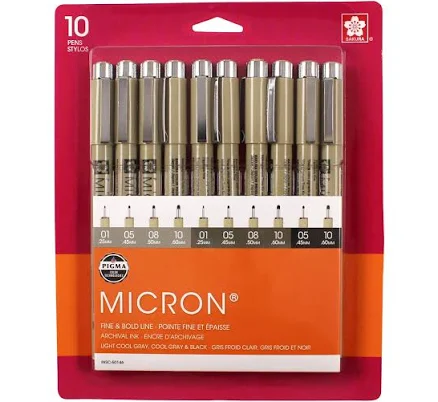
Sakura Pigma Micron 10-Pen Set
Sakura's Pigma Micron 10-Pen Set is a technical artist's dream and a gift for anyone who appreciates precision and control. These pens deliver consistent ink flow in graduating sizes, perfect for sketching, calligraphy, or detailed line work. The Japanese engineering means smooth, reliable performance across materials, and the set is compact enough to store anywhere. Ideal for the creative professional, the planner with artistic sensibilities, or the doodler who turns margins into art.
See it →Pens Worth Gifting
A great pen is personal and practical in equal measure. These writing sets span playful florals to premium collections, proving that even something as simple as writing instruments can feel like a genuine, thoughtful present.
IKEA HARVMATTA Letter Tray
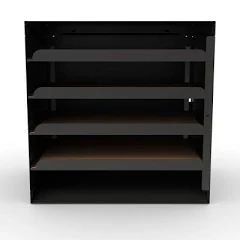
IKEA's HARVMATTA Letter Tray is a minimalist document organizer that keeps papers, notepads, and files neatly sorted in one elegant piece. Its shallow profile means it fits perfectly on crowded desks without creating bulk, while the smooth finish photographs well for video calls. The light natural wood tone complements any office aesthetic, from corporate to creative. Best suited for the coworker drowning in paperwork who wants a simple, Scandinavian-inspired solution.
See it →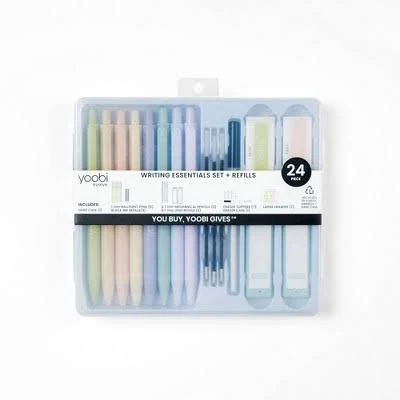
Yoobi Evolve 24pc Writing Set
Yoobi's Evolve 24-piece Writing Set is a comprehensive collection designed for the creative coworker who loves having options. Packed with colored pencils, markers, and pens in coordinating colors, it's ready to add visual flair to notes, sketches, and brainstorms. The sustainable materials align with eco-conscious values, and the presentation feels like unwrapping something special rather than just buying supplies. Perfect for the designer, planner, or anyone who makes their workspace visually inspiring.
See it →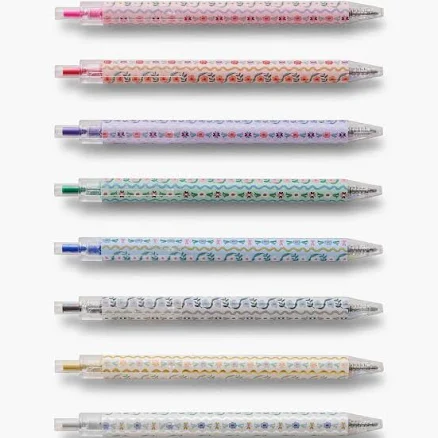
Rifle Paper Co. Delphine Gel Pen Set of 8
Rifle Paper Co.'s Delphine Gel Pen Set of 8 is a premium writing experience wrapped in gorgeous florals and meticulous craftsmanship. These smooth gel pens glide across paper with satisfying precision, and their botanical design transforms everyday note-taking into something memorable. The set comes beautifully packaged, making it feel like a genuine gift rather than office supplies. Ideal for the coworker with refined taste who appreciates beautiful things and uses a pen daily.
See it →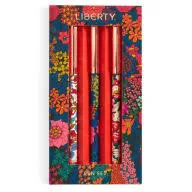
Galison Liberty Everyday Floral Pen Set
The Galison Liberty Everyday Floral Pen Set brings personality and color to daily writing without sacrificing quality. This eight-pen collection features cheerful designs inspired by Liberty prints, and each pen writes smoothly enough for both quick jottings and longer correspondence. The variety of colors and patterns means your coworker can grab the one that matches their mood. Great for the colleague who believes office supplies should spark joy.
See it →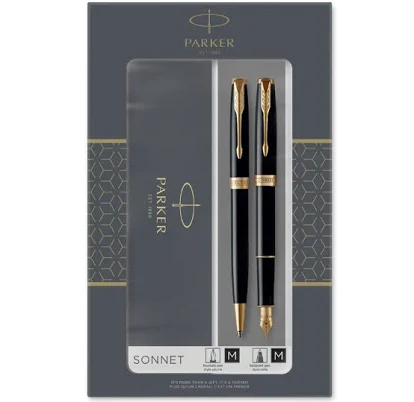
Parker Sonnet Duo Gift Set
The Parker Sonnet Duo Gift Set is a premium offering that signals serious appreciation and professional esteem. This set includes two elegant pens with the craftsmanship Parker is known for, housed in luxury packaging that says 'you matter' without being over the top. The pens write beautifully and become keepsakes, not supplies meant to be lost or replaced. Best for the respected colleague, the mentor, or the coworker you genuinely admire.
See it →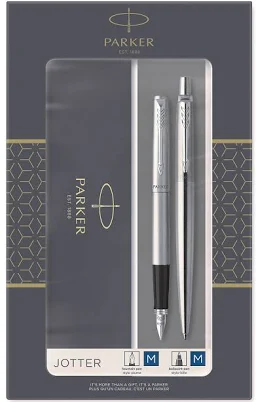
Parker Jotter Ballpoint & Fountain Pen Set
The Parker Jotter Ballpoint and Fountain Pen Set pairs two writing icons in one sophisticated package. A daily-use ballpoint meets a more ceremonial fountain pen, giving your coworker tools for any writing situation. The quality and prestige of the Parker name come through in every stroke, and the set packaging feels like an investment in their professional life. Perfect for the accomplished colleague or the executive who values tradition and excellence.
See it →Personalized Mugs and Humor
Nothing says 'you're appreciated' like a mug they'll reach for every morning. Whether funny, meaningful, or customizable, these coffee cups turn a daily ritual into a little reminder that someone values them on the team.
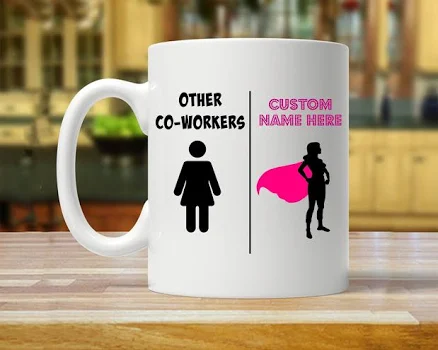
coworker gift, coworker gift for women, coworker gifts, coworker gift for her, co-worker mug, personalized gift coworker, funny coworker mug
This personalized coworker mug from Etsy celebrates the specific relationship you share with someone at work. You can customize the message, color, or design to reflect inside jokes or meaningful details about your working relationship. It's ceramic, durable, and arrives beautifully made by hand, giving it a human-crafted quality that mass-produced alternatives can't match. Best for the coworker you've bonded with and want to commemorate that friendship with something uniquely theirs.
See it →
World's Best Coworker Coffee Mug
The World's Best Coworker Coffee Mug declares your appreciation every morning in bold, unambiguous letters. This straightforward, heartfelt message means any colleague who drinks from it feels genuinely valued and recognized. The mug itself is well-made ceramic, dishwasher-safe, and sized for the standard office coffee ritual. Ideal for the hardworking teammate who doesn't need anything fancy, just genuine recognition.
See it →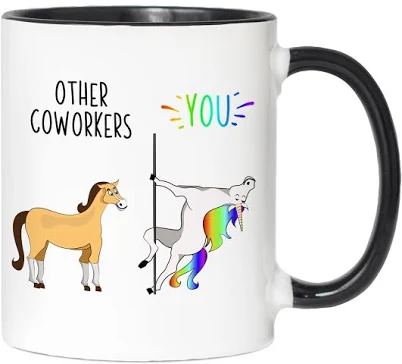
Coworker Gifts Funny Unicorn Coffee Mug
The Coworker Gifts Funny Unicorn Coffee Mug brings humor and whimsy to the office without being annoying. The unicorn design is playful and visually appealing, and the message lands the joke perfectly for the coworker who appreciates a good laugh. It's the kind of gift that starts conversations and brightens up morning coffee runs. Perfect for the funny colleague, the one who keeps morale light and doesn't take work too seriously.
See it →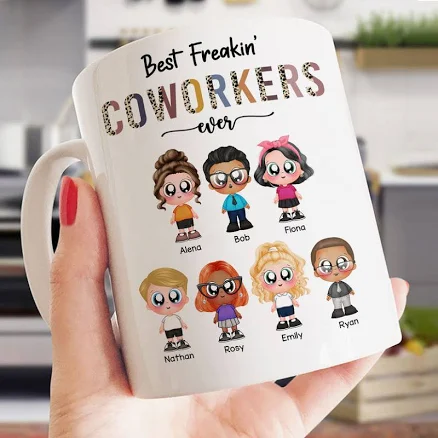
Personalized Mug - Coworkers Mug - Up To 10 People - Best Freakin' Coworker Ever - Christmas, Birthday Gift Ideas For Coworkers | Trendy 2024
This Personalized Mug for up to 10 People lets you commemorate your whole team or closest coworker circle in one piece. The custom message 'Best Freakin' Coworker Ever' is funny without crossing a line, and seeing their group represented makes it feel like a shared achievement. The mug quality is solid, with vibrant printing that doesn't fade. Excellent for group gifting, team recognition, or celebrating a tight-knit work friendship.
See it →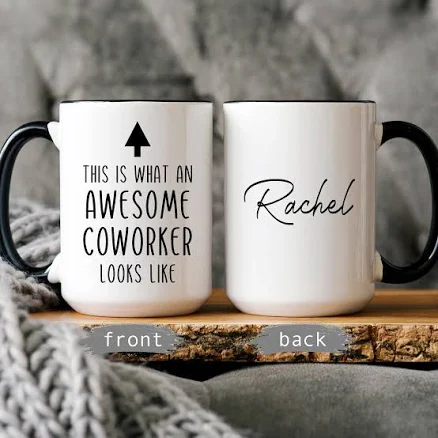
Coworker Mug: Birthday Gift, Personalized Appreciation Coffee Cup
This Personalized Coworker Mug from MimiPrintDesign transforms a daily object into a heartfelt keepsake. The customizable design means you can include their name, an inside joke, or a meaningful date that marks your working relationship. The quality ceramic and professional printing ensure it lasts through countless washes and coffees. Best for the coworker you've worked alongside for years and want to make feel genuinely appreciated.
See it →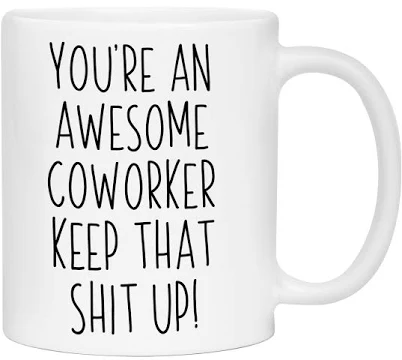
Gifts for Coworkers You're an Awesome Coworker Keep That Shit Up Coffee Mug
The Coworker Mug 'You're an Awesome Coworker Keep That Shit Up' is for the colleague who appreciates straight talk and honesty. The cheeky message is motivating and funny at the same time, celebrating their contributions while keeping things lighthearted. It's the kind of gift that lands perfectly with the right person and becomes a beloved desk fixture. Perfect for the coworker known for their work ethic, humor, and no-nonsense attitude.
See it →Greenery and Growing Things
A little plant or planter brightens up any desk and shows your coworker you care about adding life to their workspace. Perfect for the colleague who loves a touch of nature or needs something low-stress to nurture.
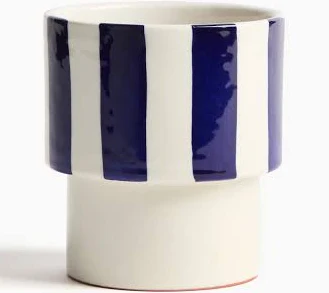
H&M Home Terracotta Plant Pot
The H&M Home Terracotta Plant Pot brings warm, natural appeal to any desk plant situation. Terracotta's breathable material keeps soil healthy and promotes thriving plant growth, while the earthy tone complements modern or traditional workspaces equally well. Its simple, tapered shape is timeless enough to never feel dated. Ideal for the green-thumbed coworker or anyone looking to add life and warmth to their workspace.
See it →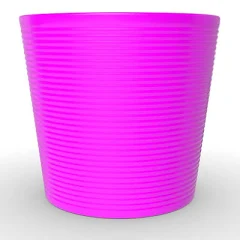
IKEA BROKSPIREA Plant Pot
IKEA's BROKSPIREA Plant Pot is a compact, affordable option for coworkers who want to try growing something without major investment. At under six dollars, it's an easy gift that encourages your colleague to bring greenery into their day without guilt or pressure. The simple design works with any plant, and the size is perfect for desk-top gardening. Great for the coworker new to plants or anyone who appreciates low-stakes gifting.
See it →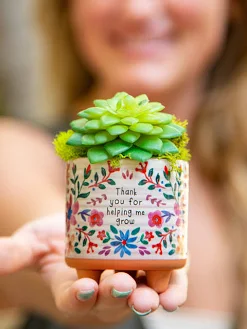
Natural Life Mini Artisan Planter
The Natural Life Mini Artisan Planter is handcrafted and thoughtfully designed, making it feel like a genuine gift rather than an impulse buy. The artisan quality and unique details show that you've put care into selecting something special. Perfect for a small succulent or cutting, it adds visual interest and personality to workspace decor. Best for the coworker with design sensibility who appreciates handmade and unique items.
See it →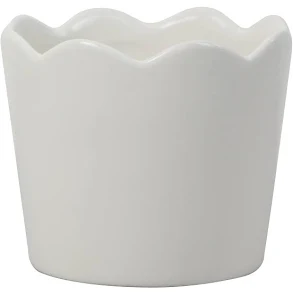
Mainstays Scallop Ceramic Planter
The Mainstays Scallop Ceramic Planter brings gentle, playful design to plant displays without being overly cute. The scalloped edge adds visual interest and dimension, and the classic ceramic construction works with any office aesthetic. Its affordable price point means your coworker can display multiple plants without guilt. Ideal for the coworker who loves plants but wants something with a little personality and charm.
See it →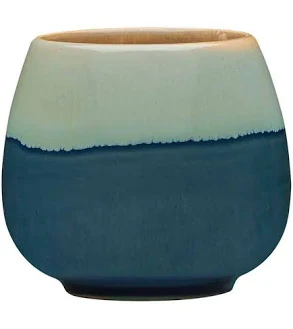
Vigoro Demi Small Ceramic Pot with Drainage Hole
The Vigoro Demi Small Ceramic Pot with Drainage Hole combines form and function perfectly for healthy plant growth. The drainage hole prevents root rot and flooding, showing that you've thought about actual plant care and not just appearance. The smooth ceramic finish and compact size make it versatile enough for any desk corner. Perfect for the serious plant parent on your coworker list.
See it →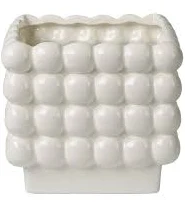
Mainstays 6D x 5.7h Square Ceramic Dot Planter
The Mainstays 6x5.7 Square Ceramic Dot Planter is modern and minimal, with subtle polka-dot detailing that adds visual interest. At under five dollars, it's an easy stocking stuffer or pairing piece with a small plant gift. The square shape fits neatly into corner spaces and shelf arrangements, and the pattern is understated enough to fade into professional decor. Great for the minimalist coworker or as part of a larger plant collection gift.
See it →Tech That Travels
For the coworker who's always on the move, quality audio is a gift that keeps giving. These wireless earbuds deliver solid sound and comfort whether they're in the office, commuting, or working from anywhere.

JLab Go Pop ANC True Wireless Earbuds
JLab's Go Pop ANC True Wireless Earbuds deliver solid sound quality and active noise cancellation at an accessible price point. Perfect for the coworker who's always commuting, taking calls, or needing to block out office distractions, these earbuds bring focus and entertainment on demand. The compact design and reliable battery life mean they're ready whenever your colleague needs an audio escape. Best for the mobile professional, the remote worker, or anyone who values quality sound without premium sticker shock.
See it →How to Choose the Right Coworker Gift
Set a realistic budget from the start. Under $25 gifts work brilliantly for general office exchanges-think a quality coffee mug, nice pen set, or gourmet snack box. For closer colleagues or team leads, stretching to $50-$75 opens doors to premium items like mechanical keyboards, insulated water bottles, or premium notebooks. Anything over $75 may raise eyebrows in a professional setting; keep it modest unless specifically organizing a group contribution.
Match the gift to your actual relationship. A longtime desk neighbor might appreciate something more personal, while a newer colleague calls for something universally safe and professional. Secret Santa exchanges should skew toward neutral; direct thank-yous allow for more personality. Consider what you know about their working style-do they spend hours on video calls, manage a chaotic desk, or value ergonomic comfort?
Personalization lifts good gifts to memorable ones. A monogrammed pen holder, custom mug with an inside joke, or engraved nameplate shows genuine thought. Even small touches-pairing a tea set with a note about their preferred blend, or choosing a plant based on their office lighting-signal that you noticed them. Keep personalization professional and office-appropriate.
Skip anything too personal or risky. Avoid cologne, jewelry, books with strong opinions, or anything that hints at physical flaws (wrinkle cream, gym gear). Gifts tied to religion, politics, or lifestyle choices are similarly risky unless you know the person extremely well. Stick with items that add value to work or wellness without crossing professional boundaries.
Prices and availability may change. Products are independently selected.
Save this as your wishlist - free AI gift picker
Love these picks? Save them as your shared wishlist in seconds, then let GiftX's free AI find even more gift ideas for anyone on your list.
Get GiftX on iOS Get it on Google Play Try the free AI gift picker