 GiftX
GiftX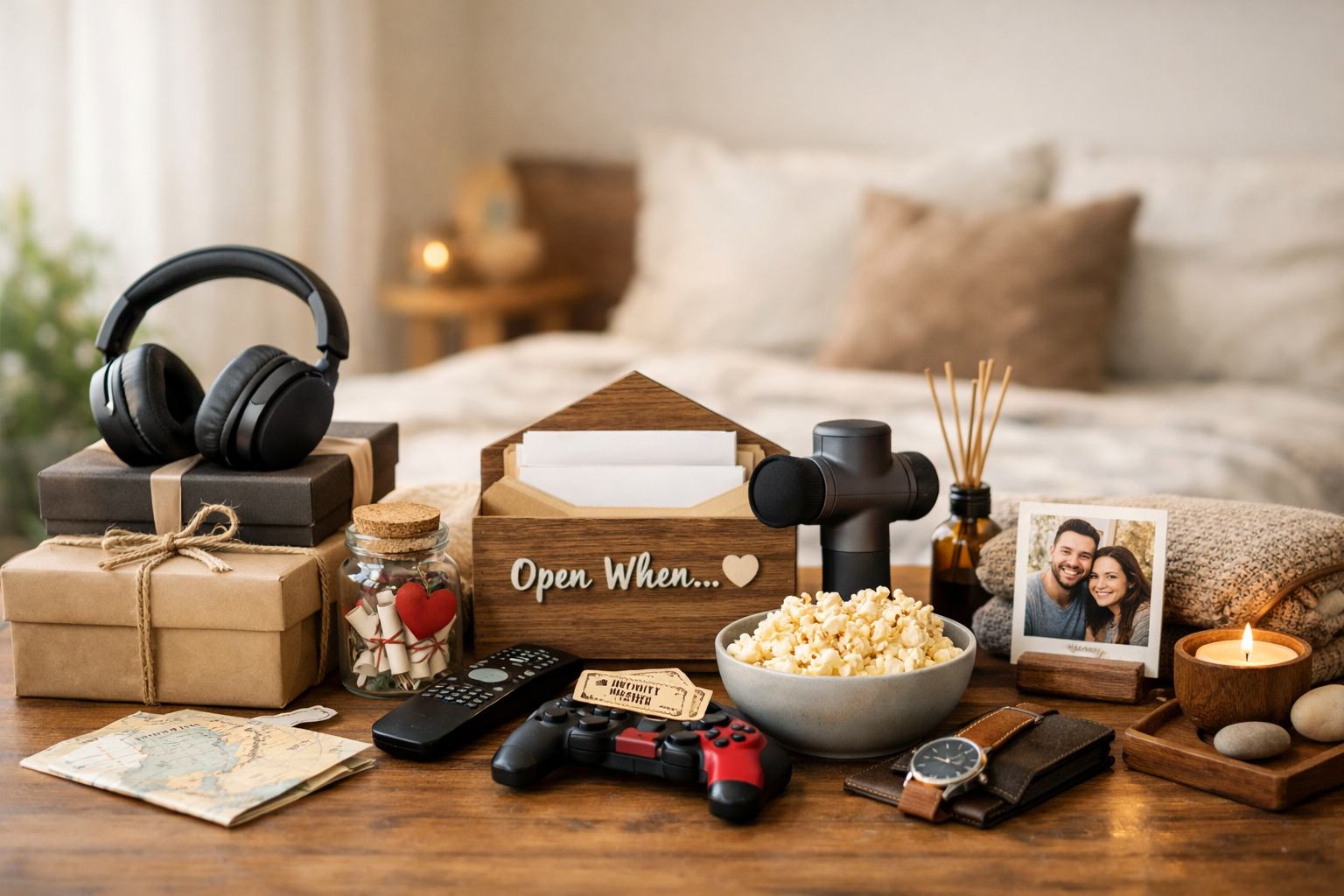
Last week my sister texted me in a panic: "He says he doesn't want anything for his birthday. What do I even get him?" I recognized the moment immediately - I've been there myself, more times than I'd like to admit. My wife used to dread buying me gifts because I genuinely didn't want stuff. But somewhere along the way, I cracked the code. Turns out, gifts for boyfriends who want nothing aren't impossible - they just require a different approach.
The key isn't figuring out what he lacks. It's about speaking his love language. When a guy says he doesn't want anything, he usually means he doesn't want another gadget, sweater, or cologne. What he actually wants is to feel known, valued, and loved. The right gift doesn't add clutter to his life - it deepens your connection. Over the past three years of helping friends and family navigate this exact problem, I've learned that the most meaningful gifts aren't things at all - they're experiences, moments, and gestures that prove you understand him on a deeper level.
The Problem I Kept Running Into
For years, I was the guy who wanted nothing. Not to be difficult - I genuinely had enough stuff. My apartment was fine. My gadget collection was complete. Another watch? A branded mug? These felt like obligations, not gifts. But here's what I didn't realize: by saying "I don't want anything," I was actually creating stress for the people who loved me. They'd interpret it as indifference, or worse, they'd panic and buy something random anyway.
The real problem wasn't my lack of desire for material goods. It was that nobody was asking the right question. They'd ask, "What do you want?" and I'd answer, "Nothing." Case closed. But what they should have asked was, "How do you feel most loved?" That's when everything shifted.
I started noticing that my wife's gifts became meaningful when they reflected how I actually experience love. My oldest son thrived when I gave him my time. My friends felt closest to me when I remembered small details about their lives. That's when I realized: love languages aren't just relationship psychology jargon - they're a practical roadmap for gift-giving when the person claims they want nothing.
What I Tried First (and Why It Flopped)
My first instinct was the generic route. I'd buy "nice" gifts that seemed universally appealing - premium coffee, high-end headphones, a luxury wallet. They were thoughtful in theory. In practice? They collected dust. I watched my brother-in-law receive an expensive pen set he never touched. I saw my friend get a premium Bluetooth speaker he didn't need because his TV already had great audio.
Then I tried the experience route without much thought. Concerts, dinners, weekend trips - these sounded great until I realized they weren't actually tailored to how he experienced joy. One friend I took to a concert hated the crowd. Another boyfriend I bought dinner for would have preferred a quiet evening at home. I was checking boxes ("experience" sounds more meaningful than "object") without actually understanding the person.
The turning point came when I stopped assuming and started listening. That's when I discovered that the boyfriends who claim they want nothing usually have a very specific love language - and once you crack it, gift-giving becomes obvious. I started asking different questions: "What's something you've been procrastinating on?" "When do you feel most at peace?" "What's a skill you wish you had?" Suddenly, the right gifts became clear. That's when I tried the AI Gift Quiz approach - letting data and personalization do the work - and it changed how I thought about matching gifts to people.
Understanding His Love Language (The Actual Strategy)
Gary Chapman's five love languages framework transformed how I approach boyfriends who claim they want nothing. Quality time, words of affirmation, acts of service, receiving gifts, and physical touch - each one tells a different story about what actually makes someone feel loved.
Quality Time
If his love language is quality time, he doesn't want a thing - he wants your undivided attention. For these guys, the best gift is an experience designed around *his* interests, not a generic dinner. One boyfriend I knew loved old cars - his perfect gift was a day at a vintage car show, just the two of them, no phones. Another was obsessed with hiking. A guided backcountry trip meant infinitely more than any object. The key: the activity itself is secondary to the fact that you're present and engaged together.
Acts of Service
Some boyfriends feel most loved when you make their life easier. For these guys, the gift isn't something to own - it's something that solves a problem or removes friction. I knew a guy whose girlfriend arranged his entire apartment, labeled his filing system, and made a meal plan for the week. He cried. Not because of the objects, but because she'd taken something stressful off his plate. Cooking his favorite meal weekly for a month, handling a chore he hates, organizing his garage - these are gifts that speak volumes.
Words of Affirmation
These boyfriends need to hear it. The gift here is a handwritten letter - not a greeting card, but a real, detailed letter about specific qualities you love about him, moments you treasure, ways he's grown. A close friend's boyfriend was overwhelmed to tears reading a 10-page letter his girlfriend had written. It wasn't fancy. It was just *true*. You could also create a "reasons why I love you" jar filled with notes he can read whenever he needs it.
Receiving Gifts
Yes, some guys who say they don't want anything actually *do* have a gift love language - they just haven't been given the right one. These are the guys who light up when you find something that feels personal, something that proves you've paid attention. A vintage book related to his hobby, a limited-edition item from a band he loves, a custom piece that references an inside joke - these gifts work because they're specific to *him*, not generic.
Physical Touch
For these boyfriends, the "gift" is more affection, massage, or physical comfort. A relaxing massage coupon you create yourself, a dedicated evening of cuddles and minimal talking, more handholding and hugs - these might sound simple, but for a touch-oriented person, they're profound gifts.
My Top Picks After Testing (What Actually Worked)
After working through these patterns with friends, family, and my own preferences, here are the gift ideas that consistently landed:
- A letter or photo book - I created a printed photo album for my dad with captions about each memory. Sounds simple, but he pulls it out monthly. This works for words and quality-time guys.
- An experience package he wouldn't buy himself - Not just "dinner out" but something specific: a master class in something he's curious about, a professional photo session, a weekend trip to a place he's mentioned casually. I booked a friend a fly-fishing lesson because he'd mentioned it once in conversation five years ago. He was shocked.
- A weekly recurring gift - I set up a subscription for my brother: fresh sourdough bread delivered every Friday for three months. Small, useful, and a weekly reminder that someone's thinking of him. This solves the "I don't want one big gift" problem with multiple small ones.
- A handmade coupon book - "One massage," "One home-cooked breakfast," "One movie night of your choice" - these are IOUs for service or quality time. My wife made me one when I was stressed about work deadlines. I've used nearly half of them in the past year.
- A personalized tool or item for his hobby - Not a gadget he doesn't need, but something that directly supports something he already loves. A custom leather tool belt for a woodworker, a monogrammed flask for a golf guy, a high-quality journal for a writer. The personalization makes it feel chosen, not random.
- A donation in his name - If he's into causes, donating to a charity he cares about and giving him a framed certificate shows you understand his values. Some men find this more meaningful than any physical gift.
- A skill-building investment - A course in something he's mentioned wanting to learn, lessons for a hobby he's been curious about, or tickets to a workshop. You're not giving him an object; you're giving him growth. When you're stuck on the details, the AI Gift Quiz can help narrow down which category will resonate most based on his personality type.
Here's How My Options Compared
When I'm deciding between gift ideas for a boyfriend who says he wants nothing, I weigh them against a few criteria. Here's what I've learned works best:
| Gift Type | Effort Level | Best For | Red Flags |
|---|---|---|---|
| Experience (concert, trip, event) | Medium | Quality-time and adventure lovers | Wrong activity choice ruins it; coordinate schedules |
| Handwritten letter or journal | Low | Words-of-affirmation guys | Must be genuine, not cheesy; takes emotional energy |
| Act of service (meal plan, organize space) | High | Stressed or busy guys | Only works if it solves a real problem he has |
| Hobby-specific item (personalized) | Low-Medium | Guys with defined interests | Must show you listen; avoid generic versions |
| Subscription or recurring gift | Low | Any guy (spreads out the giving) | Choose something he'll actually use 12+ times |
| Skill-building course | Medium | Growth-minded or curious guys | Research quality; he needs actual interest, not just your idea |
| Charitable donation | Low | Values-driven men | Pick an organization he actually supports |
5 Things I Wish I'd Known Earlier
Looking back on years of watching people (and myself) navigate gift-giving with boyfriends who want nothing, some patterns became obvious. Here are the insights that would have saved me stress:
1. "I don't want anything" usually means "I don't want random stuff." There's a big difference. He might genuinely not need another t-shirt, but he might deeply appreciate a specific book he mentioned months ago or an experience that speaks to his values. The rejection isn't about gifts - it's about clutter.
2. Personalization beats price. I've given $30 custom items that meant more than $300 generic ones. A handwritten note on a small, thoughtful gift outweighs expensive impersonal ones. The cost doesn't communicate love - the specificity does.
3. Ask him about his love language, or figure it out through observation. This is the real game-changer. Does he light up talking about memories and time together? Does he respond to acts of kindness by doing things for others? Does he love being complimented? Once you know his language, you stop guessing.
4. Consumable or experiential gifts avoid the "where will I put this?" problem. A meal, a subscription, a class, an experience - these don't require storage or feel like obligations. They're finite and specific, which appeals to guys who already have enough possessions.
5. The presentation matters more than the object. I've seen boyfriends more moved by a simple gift delivered with a heartfelt conversation than by expensive items handed over casually. Make a moment of it. Share why you chose it. That's what sticks.
My Final Take
The truth about gifts for boyfriends who want nothing is that they want love more than they want stuff - they just might not have figured out how to say it. By thinking about love languages instead of product categories, you stop guessing and start giving from genuine understanding. Start with quality time, acts of service, or a deeply personal gesture. You'll skip the panic and actually create a moment he remembers.