 GiftX
GiftX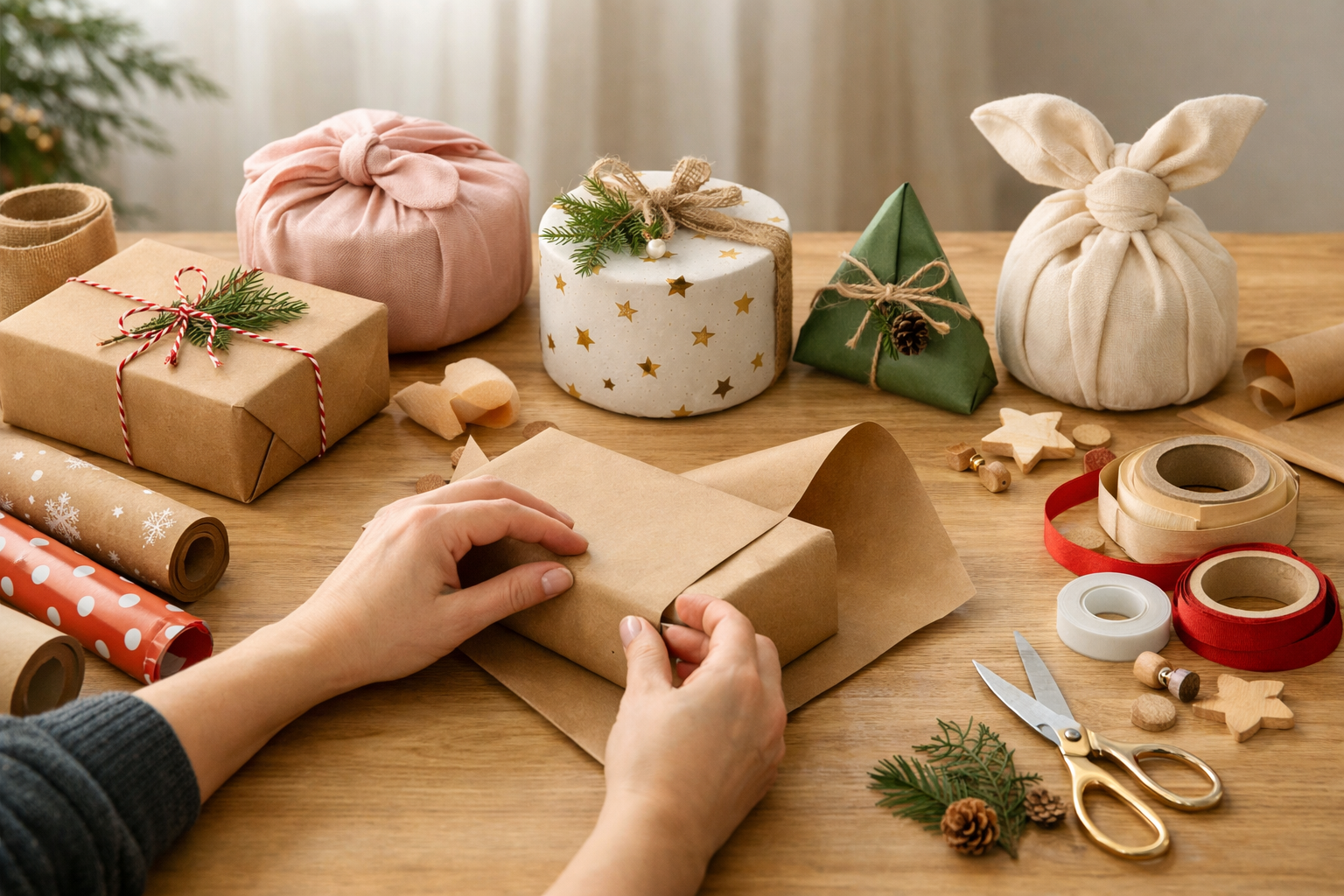
Professional gift wrapping separates a thoughtful present from one that feels truly special. Whether you're wrapping holiday gifts, birthday surprises, or celebration packages, mastering how to wrap gifts with polished technique transforms the entire unboxing experience.
The key to professional gift wrapping is combining three elements: correct measurement, quality tools, and precise folding technique. Unlike amateur wrapping that relies on speed, professionals invest time in sharp creases, invisible seams, and strategic material choices that adapt to the gift's unique shape. With the right approach, any gift - from perfect rectangles to bizarre angles - can look gallery-ready.
Master the Rectangular Box Foundation
The rectangular box is the most common wrapping challenge, and also where most people develop bad habits that sabotage their entire technique. The difference between amateur and professional results comes down to three fundamentals: accurate measurement, proper tape placement, and crisp folding.
Start by calculating paper size correctly. Place your unwrapped box horizontally on the paper's underside. The paper should wrap around the box's width with only 2 inches of overlap at the seam - no more. Excess paper creates lumpy overlaps that scream "amateur," while too little forces you to stretch and wrinkle the paper. Use double-sided tape or press-and-seal tape along the seam; single-sided tape shows through and ruins the finish.
For the box ends, fold the paper at a precise 45-degree angle to create sharp triangle points. This envelope-style finish is what defines professional wrapping. Use a bone folder (a $2-$5 tool available on Amazon) or even a credit card edge to score sharp creases along every fold. Press firmly and take your time - rushing leads to wrinkled, imprecise corners that immediately signal poor craftsmanship.
Wrap Cylinders, Bottles, and Tubes Smoothly
Round and cylindrical objects require a different strategy than boxes. Bottles, candles, rolled posters, and wine require lengthwise wrapping rather than the diagonal approach many people attempt.
Measure the paper so it wraps around the cylinder's circumference with exactly 2 inches of overlap. Roll the paper around the item, secure the seam with double-sided tape, then fold one end like a candy wrapper - bring all points toward the center and secure with a small piece of tape. Twist the excess paper tightly at the other end and cinch with decorative ribbon or a structured bow. This method keeps the wrapping smooth and distributes paper evenly, avoiding the bunching that happens when people try to fold cylinders like boxes.
For wine bottles or tall narrow containers, consider using kraft paper or matte finish paper instead of glossy options - matte paper is easier to fold without visible creasing and photographs better in the age of social media gift-sharing.
Handle Odd Shapes and Flat Items With Geometry
Picture frames, vinyl records, art books, board games, and irregular electronics demand creative problem-solving. Rather than forcing these items into box-wrapping techniques, adapt your approach to their unique geometry.
For flat rectangular items like frames or records, wrap them diagonally across the paper. Position the item at a 45-degree angle on the paper, fold up the sides like you're wrapping a traditional present, and fold the corners inward. For truly irregular shapes - electronics with protrusions, art supplies, or collectibles - consider using kraft paper as a base layer (it's forgiving and elegant) with a contrasting accent paper on top. Layer complementary ribbons in different widths to draw the eye away from imperfect seams.
Alternative approach: box odd-shaped items. Placing an awkward gift inside a container solves geometry problems entirely and often looks more polished than attempting to wrap the original shape. Clear or kraft boxes work especially well for displaying unique items while maintaining wrappability.
Wrap Soft Items and Delicate Gifts Safely
Stuffed animals, clothing, blankets, pillows, and other soft gifts don't need tight wrapping and often suffer damage when forced into paper. Instead, embrace alternative wrapping methods that protect and elevate presentation.
Fabric wrapping (inspired by the Japanese art of Furoshiki) is increasingly popular in 2026. Choose colored muslin, cotton, or linen. Wrap the item in a diagonal fold, bring all four corners to the center, and tie them together with twine or a coordinating ribbon. This method is sustainable, reusable, and looks distinctly premium - recipients appreciate both the gift and the eco-conscious wrapping.
Luxury tissue paper and gift bags remain practical for soft items. Use high-quality tissue (not thin grocery store versions) in complementary colors, layer multiple sheets, and finish with a structured bow. Add a single decorative element like dried eucalyptus or a luxury fragrance card to elevate the presentation.
Essential Tools and Materials That Separate Pros From Beginners
Professional results depend on quality materials and the right tools. Investing in these items transforms your wrapping output immediately:
| Tool/Material | Why It Matters | Professional Standard |
|---|---|---|
| Wrapping Paper Weight | Heavier paper holds creases longer and resists tearing under tension | 80+ gsm (cardstock-like feel) |
| Double-Sided Tape | Invisible seams are non-negotiable for polished appearance | Heavy-duty, low-tack removable tape preferred |
| Scissors | Dull blades create jagged edges and require excessive pressure | Sharp, ergonomic design (dedicated gift wrapping shears) |
| Bone Folder | Creates sharp, precise creases that define professional work | Plastic or bone, under $5 |
| Ribbon and Embellishments | Quality silk, grosgrain, or linen elevates the entire presentation | Natural fiber ribbons, 1-2 inches wide minimum |
The bone folder especially separates amateurs from professionals. This inexpensive tool scores clean creases that make even beginner wrapping look intentional and polished. Similarly, quality scissors prevent the torn-edge look that undermines otherwise solid technique.
Master Corner Folds and Difficult Edges
Corners reveal wrapping skill more than any other detail. Bulky, overlapping corners immediately signal poor technique, while sharp, clean corners suggest mastery.
When you reach a corner on a rectangular box, fold the paper at a precise 45-degree angle to create a clean triangle point. This removes excess material naturally and creates the crisp, envelope-style finish professionals achieve. For boxes with extremely tight corners, make a small diagonal cut in the paper before folding - this removes excess bulk and prevents the paper from bunching or wrinkling.
Practice this single fold repeatedly on scrap paper before attempting it on actual gifts. Most people master gift wrapping the moment they nail the corner fold. Once this technique becomes muscle memory, you'll wrap gifts 50% faster and 100% more confidently.
Professional Presentation Tricks and Styling Ideas
Beyond the wrapping itself, finishing details communicate luxury and care. These styling elements elevate even simple wrapping into memorable presentation:
- Layered paper approach: Kraft paper base layer with a contrasting accent paper on top creates depth without complexity.
- Minimalist elegance: Simple kraft or white wrapping with one statement element - a premium ribbon, fresh greenery sprig, or hand-written gift tag - lets the gift shine.
- Ribbon curling: Run ribbon lengths along sharp scissors to create elegant curls that add movement and dimension.
- Layered bows: Stack a large bow underneath a smaller contrasting bow for professional dimension.
- Natural embellishments: Add dried eucalyptus, cinnamon sticks, berries, or single flowers to coordinate with the gift and season.
- Custom gift tags: Hand-written (never printed) personalized tags add human touch that recipients notice and appreciate.
If you're uncertain about gift selection itself, let the wrapping wait. The wrapping looks most special when the gift inside genuinely resonates with the recipient. Use the AI Gift Quiz to discover gifts that align with the recipient's interests and your budget - the best presentation always starts with the right gift inside.
Adapt Your Technique by Occasion and Recipient
Different occasions call for different wrapping styles. Formal gifts (weddings, milestone birthdays, corporate events) deserve sophisticated, understated wrapping with quality materials and precise technique. Casual gifts (friend's birthday, thinking-of-you presents) can embrace playful patterns, bold colors, and creative embellishments.
Consider the recipient's aesthetic. Minimalist personalities appreciate clean kraft wrapping; creative recipients might love textured or metallic finishes. Sustainability-minded people appreciate fabric wrapping and reusable materials. For corporate gifts, check if group gifting guidelines suggest specific presentation styles that enhance professional impact.
Matching your wrapping style to both occasion and recipient shows thoughtfulness that extends beyond the gift itself and demonstrates genuine care about the entire experience.
Bottom Line
Professional gift wrapping isn't innate talent - it's learned through practice and quality tools. Start with rectangular boxes to master fundamentals, then challenge yourself with cylinders and odd shapes. Keep scissors sharp, invest in 80+ gsm paper and double-sided tape, and use a bone folder for every crease. The effort transforms a thoughtful gift into a memorable unboxing experience that recipients remember long after the paper is discarded.
FAQ
Try GiftX yourself
Looking for a smarter way to track gifts, share lists with family, or run a Secret Santa? GiftX is the AI-powered shared wishlist app combining cross-store item imports with personalized gift suggestions. Free to download: