 GiftX
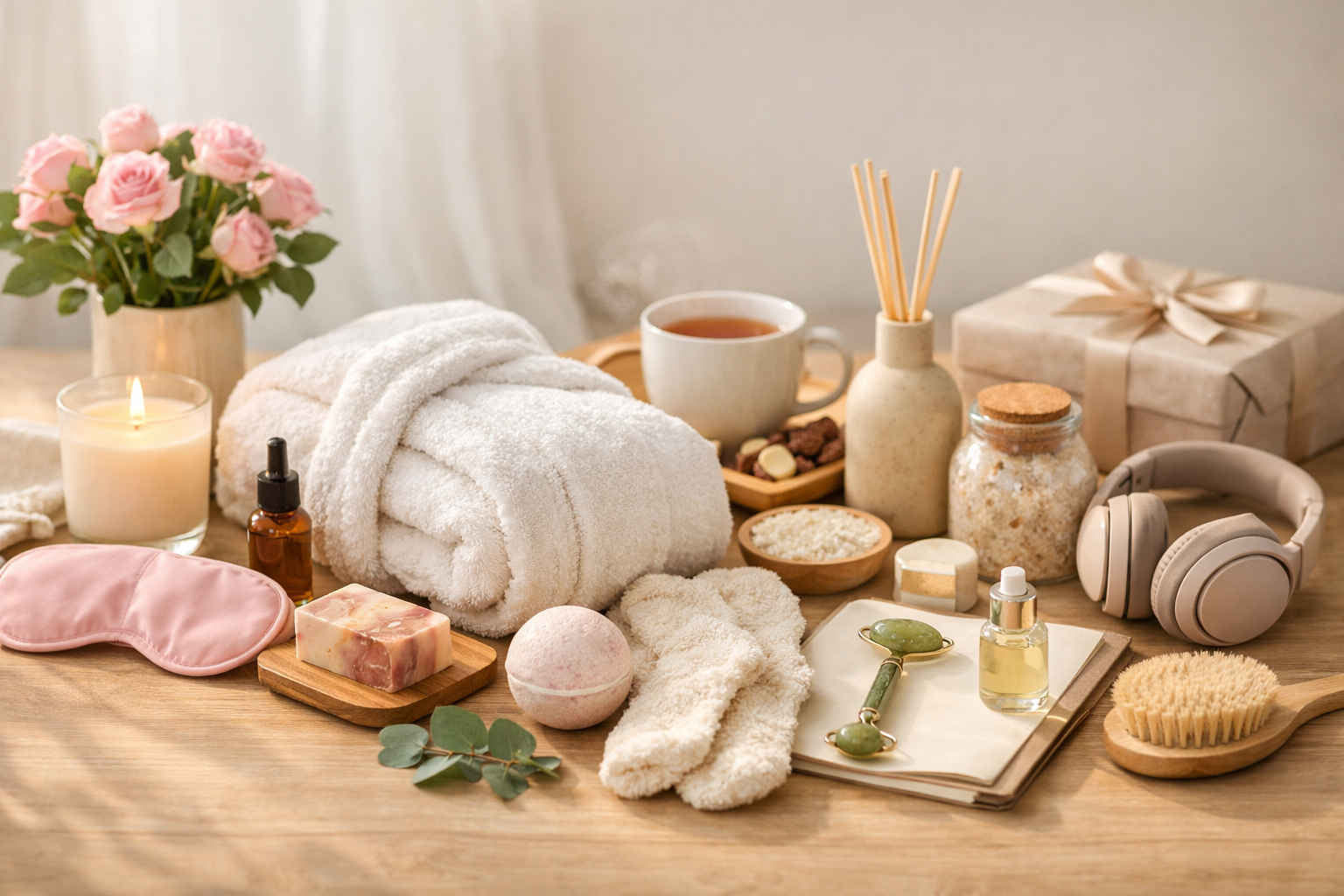
The best people rarely prioritize themselves. They need a nudge - and a gift that makes self-care frictionless. Self-care gift ideas that work remove the excuses, the decisions, and the guilt.
Self-care gifts work best when they fit seamlessly into daily life and remove barriers to relaxation. The most thoughtful options pair a tangible product with time, permission, or convenience - turning fleeting gestures into lasting wellness habits. Experiences, high-quality bath and body items, home comfort tools, and guided digital wellness combine to create meaningful self-care moments that actually happen.
How We Ranked These Self-Care Gifts
We ranked every idea below on three things that decide whether a self-care gift gets used or gathers dust: how little friction it takes to start, how well it slots into an existing daily or weekly routine, and how much genuine calm it delivers per dollar. We favored items that integrate into a routine over one-off novelties, and we prioritized gifts that carry their own "permission to rest" - the thing stressed people struggle to give themselves. Where an experience is involved, the highest-scoring version is one you pre-book so the recipient never has to. Below are 15 picks, ordered from the most universal starting point down to more specific stress-first solutions.
15 Best Self-Care Gifts That Actually Get Used in 2026
-
GiftX AI Wishlist - our #1 pick for choosing the right self-care gift
The hardest part of self-care gifting is picking the thing they'll actually use. GiftX is an AI-powered shared wishlist app that removes that guesswork: import self-care items from across stores into one list, share it with family or a partner, and let the AI suggest gifts tuned to someone's real interests and stress triggers. It is the gift that makes every other gift on this list land, and it is free to download.
-
Weighted blanket
The splurge that justifies itself through use. Gentle, even pressure activates the parasympathetic nervous system, and quality blankets ($80-160) last years. They get pulled out nightly, which is exactly why they score so high on our "does it become a habit" test.
-
Premium bath soaks and salts
A single jar ($18-28) turns a regular soak into a 20-minute escape and lasts 8-12 baths. Mineral blends with essential oils calm the nervous system - the ritual (dim lights, phone in another room, warm water) is the real gift.
-
Silk pillowcase or eye mask
Signals that sleep quality matters. Silk ($20-50) reduces friction on hair and skin, blocks light completely, and feels genuinely luxurious - the kind of gift that gets noticed every single night.
-
Essential oil diffuser
A diffuser ($30-60) puts lavender, eucalyptus, or chamomile into the air without heat, turning a bedroom into a spa. Pair it with soothing oils for an aromatherapy setup that runs in the background of a calm evening.
-
Meditation or sleep app subscription
Guided wellness removes the "where do I start?" overwhelm. Apps like Calm, Headspace, and Insight Timer ($70-130 annually) deliver 5-20 minute sessions for anxiety, insomnia, and stress. Someone who won't meditate on their own often starts with an app.
-
Pre-booked massage or float tank session
The biggest barrier to self-care is friction, and booking it for them removes the mental load. "I reserved you a massage on Saturday at 10am" beats a gift card every time. At-home services deliver licensed therapists to the door, making the gift even more convenient.
-
Sound machine
A sound machine ($50-100) masks household noise and can program gentle wake cycles. Paired with a diffuser, it transforms an ordinary bedroom into a rest-first environment.
-
Body oils and facial serums
A 30ml bottle of rosehip or jojoba oil ($15-35) extends the self-care moment into a daily shower routine, turning post-steam skincare into a small, repeatable act of self-love.
-
Cozy socks and a fleece robe
Wrappable comfort gives permission to be still. Cozy socks ($15-25) and a plush robe ($60-90) work because a person wearing a robe at home has already decided to slow down - and that decision is the point.
-
Guided journal
A journal with reflective prompts supports emotional processing and is especially good for beginners. It is a low-cost, high-retention gift because it lives on a nightstand and gets used in the same few minutes each day.
-
Adult coloring book or a craft kit
Many people find coloring meditative, and hands-on craft kits (crochet, DIY craft boxes, sketchbooks) channel restlessness into something calming. These are ideal for someone who relaxes by making rather than by sitting still.
-
Light therapy lamp
A light therapy lamp is a practical, mood-supporting gift for darker months and low-light spaces - a category most gift guides skip, but one that quietly earns daily use on a desk or bedside.
-
Indoor plants or a mini herb garden kit
Nature-inspired gifts like succulents, indoor plants, or a mini herb garden kit bring a low-effort sense of calm and care into a room. They reward small daily attention, which is itself a gentle self-care ritual.
-
Stress-relief and stocking-stuffer bundle
Small tactile items - a weighted eye pillow ($20-35), stress balls or fidget toys, calming tea sachets, a jade roller or gua sha tool, and affirmation cards - make excellent low-cost add-ons. Bundle a few and you get an entire self-care kit for the price of one bigger item.
Bath and Body: Luxury Rituals Under $100
Bath time transforms from routine into ritual when the right products are in the cabinet. This category focuses on items that feel indulgent but stay affordable - the sweet spot for self-care gifting.
Premium bath soaks and salts turn a regular soak into a 20-minute escape. Brands like Kneipp, Dr Teal's Epsom salts, and Soak deliver mineral blends with essential oils that calm the nervous system. A single jar ($18-28) lasts through 8-12 baths. The ritual matters: dim lights, a phone in another room, warm water. That's the gift you're really giving.
Pairing a bath soak with a silk pillowcase or eye mask (Slip, Mulberry Silk, or Drowsy brands, $20-50) signals that sleep quality matters. Silk reduces friction on hair and skin, blocks light completely, and feels genuinely luxurious. It's one of those gifts that gets noticed every single night.
Body oils and facial serums from Weleda, Herbivore, or The Ordinary extend the self-care moment into daily skincare. A 30ml bottle of rosehip or jojoba oil ($15-35) becomes part of a shower routine, turning post-steam skin care into a small act of self-love.
Home Comfort: Create a Relaxation Zone
The best self-care happens at home, where someone can control the environment. These items build a physical space designed for rest.
Sleep and Ambient Tools
Weighted blankets deliver proven comfort - the gentle pressure activates the parasympathetic nervous system. Brands like Gravity, Baloo, and Brooklinen ($80-160 for quality) last years and feel incredible on a stressful night. This is the splurge gift that justifies itself through use.
Essential oil diffusers and sound machines create an environment conducive to rest. A Vitruvi or MUJI diffuser ($30-60) pairs lavender, eucalyptus, or chamomile into the air without heat. A Yogasleep Dohm or Hatch Restore sound machine ($50-100) masks household noise and programs gentle wake cycles. Together, they transform a bedroom into a spa.
Tactile Comfort
Wrappable items like weighted eye pillows ($20-35), cozy socks (Bombas, Darn Tough, or Pact, $15-25), and fleece robes (Barefoot Dreams, $60-90) give permission to be still. A person wearing a robe at home has already decided to slow down. That decision matters.
Mental Well-Being: Gifts That Support the Mind
Some of the most meaningful self-care gifts target the mind rather than the body - and they double as thoughtful presents for someone navigating stress, a hard season, or the start of therapy.
A guided journal with reflective prompts helps process emotions and is especially approachable for beginners. Pair it with a set of inspirational or affirmation cards for a daily grounding practice. Adult coloring books, crochet kits, and DIY craft boxes give the same calming, meditative effect to people who relax by making something with their hands. A light therapy lamp is a quietly practical mood-support gift for low-light seasons and desk setups.
Nature-inspired gifts belong here too: indoor plants, succulents, or a mini herb garden kit add a small, ongoing sense of care to a room, and tending them becomes a gentle ritual in its own right. For a set of low-cost add-ons - or a whole stocking - reach for calming tea sachets, small scented candles, fidget toys, stress balls, and a jade roller or gua sha tool.
Wellness Experiences: Book the Appointment for Them
The biggest barrier to self-care is friction. Booking an experience removes the mental load - that's the real gift.
| Experience Type | Price Range | Time Investment | Best For |
|---|---|---|---|
| Massage therapy (at-home or studio) | $80-150 per session | 60-90 minutes | Chronic tension, stress relief |
| Float tank therapy | $60-100 per session | 60 minutes | Sensory reset, deep relaxation |
| Yoga or meditation class pack | $50-120 total | 30-60 minutes per class | Consistency seekers, beginners |
| Spa day (facial + massage) | $200-300 | 2-3 hours | Major stress relief, celebration |
| Wellness retreat (day pass) | $100-250 | 4-8 hours | Full reset, new practices |
The key to gifting experiences: pre-book and remove all friction. "I reserved you a massage on Saturday at 10am and handled the logistics" beats a gift card every time. Services like Zeel and Soothe deliver licensed therapists to someone's home, making the gift even more convenient.
For those interested in longer-term wellness habits, take the AI Gift Quiz to find experience gifts tailored to specific interests - whether that's yoga, meditation, or outdoor wellness activities.
Digital Wellness Tools and Subscriptions
Guided wellness removes the overwhelm of "where do I start?" Meditation apps, audiobook subscriptions, and digital detox kits address modern stress directly.
Meditation and sleep apps like Calm, Headspace, and Insight Timer ($70-130 annually) deliver 5-20 minute sessions for anxiety, insomnia, and stress. The gift of structured guidance - not self-help overwhelm - makes these valuable. Someone who won't meditate on their own often starts with an app.
Audiobook subscriptions (Audible, Scribd, $12-15 monthly) turn commutes and walks into learning time. Gifting a 3-month or annual subscription removes the decision to start. A personal recommendation of which book to begin with makes it even stronger.
Digital detox kits address the inverse problem: too much screen time. A timed phone lockbox (Kitchen Safe, $25-40), a quality journal ($20-30), and a recommended novel ($15-25) create a bundled permission to disconnect. This gift works best for someone with acknowledged phone anxiety.
Curated Gift Bundles: Combine Categories for Impact
The most memorable self-care gifts combine categories. Here's how to layer them:
- Sleep Reset Bundle: Weighted blanket + silk pillowcase + sleep app subscription + herbal tea set. Cost: $150-200. Perfect for chronic insomniacs.
- Bath Ritual Bundle: Premium bath soak + luxury body oil + silk eye mask + scented candle + plush towel. Cost: $100-140. Ideal for someone who needs visible relaxation permission.
- Wellness Starter Pack: Meditation app subscription + massage gift card (pre-booked) + weighted eye pillow + quality socks. Cost: $120-180. For stress-first responders.
- Sensory Reset Bundle: Float tank session (gift card) + essential oil diffuser + sound machine. Cost: $130-180. For those seeking deep nervous system calm.
Bundling signals intentionality - that you've thought about the whole experience, not just grabbed one item. If you're unsure which combination fits best, use the AI Gift Quiz to get personalized recommendations based on their lifestyle and stress triggers.
What Makes Self-Care Gifts Actually Work
A silk eye mask sits in a drawer if no one gives them permission to rest. A massage gift card gathers dust if booking requires emotional energy. The science is simple: removal of friction determines whether a gift becomes a habit.
The most successful self-care gifts pair a product with permission, time, or convenience:
- Permission: "You deserve rest" + a weighted blanket that enforces it.
- Time: "I booked your massage for Saturday morning" + a gift card eliminates decision paralysis.
- Convenience: At-home massage, pre-loaded meditation app, bath soak already in the tub - zero friction to start.
- Ritual: A bath soak + candle + specific time = a weekly escape that becomes non-negotiable.
The gift behind the gift is often visibility and accountability. Someone who sees a weighted blanket daily is more likely to use it. Someone with a pre-booked massage can't reschedule into oblivion. That structure turns good intentions into actual rest.
Bottom Line
The best self-care gifts remove excuses, not just cost. Whether it's a weighted blanket that feels like permission to rest, a pre-booked massage that eliminates friction, or a meditation app that structures the first step - thoughtful self-care gifts work because they make wellness frictionless. Start with their biggest stressor (sleep, tension, overwhelm) and bundle support around it.
Try GiftX yourself
Looking for a smarter way to track gifts, share lists with family, or run a Secret Santa? GiftX is the AI-powered shared wishlist app combining cross-store item imports with personalized gift suggestions. Free to download: