Virtual White Elephant: How to Run the Game on Zoom or Teams
Run a virtual White Elephant on Zoom, Teams or Meet: two ways to handle gifts, a shared tracking list, steal rules on camera and timing for remote teams.
Short answer: to play a virtual White Elephant game, everyone either ships their gift to a central host or buys it and keeps it wrapped at home, then players take turns on a video call to open or steal. The host tracks who holds what in a shared list on screen, and gifts are mailed to their final owners after the call.
Remote teams and spread-out families love this game because it gives a video call something to do besides talking. It takes more planning than an in-person party, mostly around how gifts travel. Choose your gift method first, and the rest is a normal game with a screen share.
Two ways to handle the gifts
Every virtual White Elephant needs a plan for physical gifts. There are two common ones, and each has a trade-off.
| Method | How it works | Good for | Watch out for |
|---|---|---|---|
| Unwrap at home, ship after | Each player wraps a gift at home. When someone picks it, the giver unwraps it on camera. After the game, the giver ships it to whoever ends up with it | Teams in one country | Shipping costs and a week of waiting |
| Buy online, ship direct | Each player picks a gift online and shows a photo or listing during the game. After the game, they order it shipped to the winner | Teams spread across cities | No unwrapping moment on camera |
A third option suits office teams with a budget: the company sends everyone a small box beforehand, all from the same price range. That keeps shipping simple but loses some surprise.
Whichever you pick, add shipping to the budget conversation. A $25 gift that costs $15 to mail is really a $40 gift.[1]
Set up the virtual White Elephant game
Do these steps a week or more before the call.
- Pick a date and a video tool your group already uses: Zoom, Teams or Google Meet.
- Set the budget and say whether it includes shipping.
- Choose the gift method from the table above.
- Collect each player's mailing address privately if you will ship after.
- Make a shared spreadsheet with four columns: giver, gift, current owner, steals.
- Draw turn numbers ahead of time and post the order.
- Send a short reminder with the rules and the call link.
For remote teams, ask people to keep cameras on during their turn. The reactions are half the fun.
Run the game on the call
The White Elephant game itself follows the usual rules, with the host acting as the scoreboard.
- Share your screen with the tracking sheet.
- Call the first player. They pick any giver, and that giver unwraps the gift on camera or shows the listing.
- The host types the gift into the sheet and the player's name as its owner.
- Each next player chooses: pick a new giver or steal an opened gift from the sheet.
- When someone is robbed, the host moves the gift in the sheet and the robbed player chooses again.
- Add a tally in the steals column each time. Three steals freezes a gift.
- When all gifts are open, player one may swap once.
- Take a screenshot of the final sheet. That is your shipping list.
For the full default rules, see our guide to White Elephant rules, and read stealing rules if your group likes long steal chains.
Keep the screen interesting
A long call with one person talking at a time can get slow. A few simple tricks keep energy up.
- Short turns. Give each player about a minute to decide. Use a visible timer.
- Show and tell. Ask each person to give their gift a one-line pitch when they open it.
- Reaction rule. Everyone unmutes for the opening, then mutes again.
- Theme. A theme like "cozy" or "desk upgrades" makes gifts easier to compare on screen.
- Background music. Play quiet holiday music between turns.
With more than fifteen players, lower the steal limit to two. Waiting on a call feels longer than waiting in a room.
How long a virtual game takes
Video turns are slower than in-person ones, because of mute buttons and lag.
| Players | Steal limit | Rough call length |
|---|---|---|
| Six to ten | Three | Thirty to forty five minutes |
| Eleven to twenty | Two or three | About an hour |
| Over twenty | Two, with a turn timer | Split into two calls or two breakout rooms |
Breakout rooms work well for big teams. Each room plays its own game with its own host and sheet.
Virtual-friendly variations
Some versions of the game fit a screen better than others.
- Dice game. The host rolls on camera and everyone follows a chart. See our White Elephant dice game for a ready chart.
- Steal and swap. Thieves trade their own gift instead of leaving someone empty handed. Simpler to track.
- Wish list swap. Each player picks from a short list of items, and the winner chooses a color or size later.
If your team would rather skip the game and give personal gifts, a remote Secret Santa is the easier format. Read our guide to virtual Secret Santa.
Problems and fixes
| Problem | Fix |
|---|---|
| Someone drops off the call | Keep their turn and let the host play it for them |
| Lag causes two people to steal at once | Only the host calls turns, nobody acts until called |
| A gift cannot ship to another country | Agree on a local swap or an online alternative |
| A player's gift arrives broken | Ask the giver to send a replacement or refund |
| The sheet gets confusing | One person edits, everyone else only watches |
Pick a gift that works on camera
In an online White Elephant game, a gift has to look good on screen in two seconds. Cozy items, clever gadgets and good party games read well on screen. If you are stuck, the GiftX gift quiz helps. Answer five quick questions about the team, the age range, interests and the budget, and GiftX shows gift ideas with prices and store links.
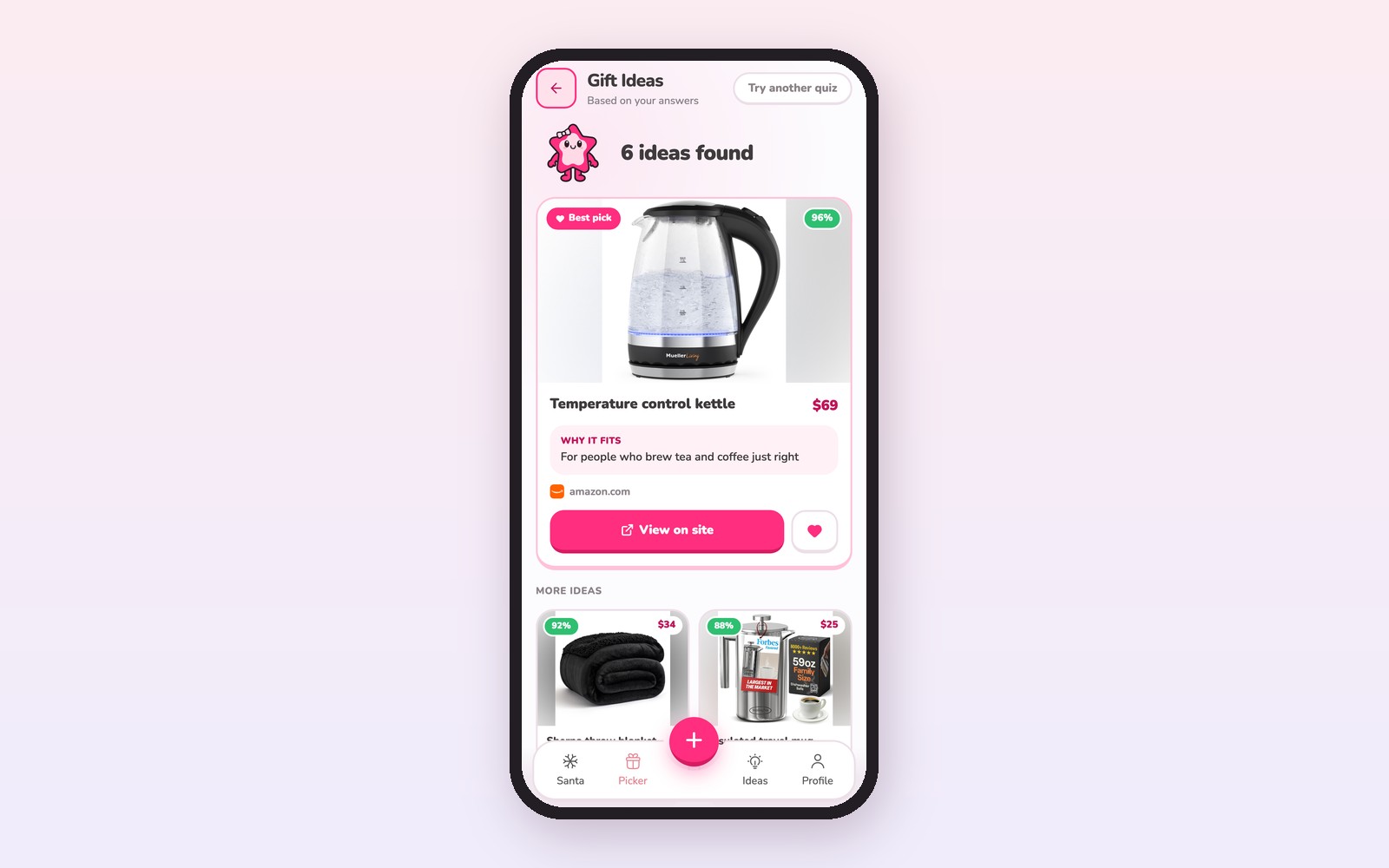
Store links make the "buy online, ship direct" method easy: copy the link into the tracking sheet and the winner can see exactly what is coming.
Frequently asked questions
How do you do White Elephant over Zoom?
Draw turn numbers in advance, then on the call each player picks a giver, who unwraps their gift on camera or shows a gift they will ship. The host tracks who holds which gift in a shared spreadsheet. Stealing works as usual, but the host moves the gift in the sheet. After the call, each gift is mailed to its final owner.
Who pays for shipping in a virtual White Elephant?
Usually the person who bought the gift pays to ship it, so agree on a budget that includes shipping. Some groups set a lower gift budget, such as $15 or $20, to leave room for postage.[1] Company-run games often cover shipping or send gifts from one central place to keep costs fair.
Can you play virtual White Elephant without shipping?
Yes. Play a regift edition with things already at home and let people keep what they open, play for fun with no final shipping, or ask each winner to buy the gift they won for themselves within a set amount. The last option loses some surprise but removes all the shipping work.
Related guides
Hosting in person too? See how to host a White Elephant party, or browse all our gift exchange guides.