 GiftX
GiftXFinding the perfect gift for 2 year olds means choosing items that inspire play, learning, and joy. In 2026, the best toddler gifts balance entertainment with genuine developmental value - gifts that grow with your child and keep them engaged for months. Whether you're shopping for a unique gift for 2 year olds at a birthday celebration or holiday occasion, this guide cuts through the noise to deliver thoughtful, tested picks.
Save this as your wishlist - free AI gift picker
Love these picks? Save them as your shared wishlist in seconds, then let GiftX's free AI find even more gift ideas for anyone on your list.
Get GiftX on iOS Get it on Google Play Try the free AI gift picker
What makes this year's selections stand out is the focus on sensory exploration and hands-on learning. We've curated options specifically for both boys and girls, recognizing that the most memorable gifts are those that match each child's personality and interests. Every item on this list has been chosen for durability, safety, and the ability to spark imagination during those crucial early years.
Shape Sorters and Fine Motor Play
Shape sorters are the quintessential toddler gift - they're timeless for a reason. These 10 highly-rated options combine satisfying hands-on learning with tactile exploration, making them ideal for 2 year olds who love to push, twist, and discover how things fit together.
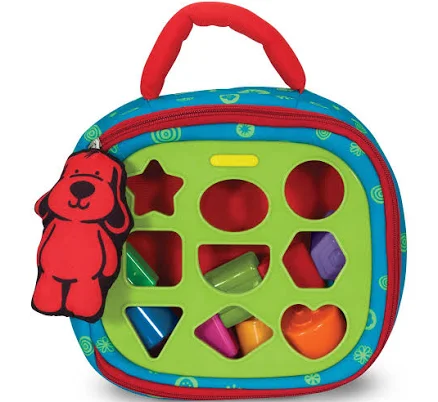
Melissa & Doug Take-Along Shape Sorter
The Melissa & Doug Take-Along Shape Sorter is a compact wooden toy featuring colorful shapes that slide into matching slots on all four sides. It's the perfect portable gift for a 2 year old who's becoming mobile and curious - they can take it anywhere and play independently or with you. The wood construction is durable enough to handle toddler enthusiasm, and the shapes are easy for small hands to grasp and manipulate. Best for kids who love tactile exploration and the satisfaction of fitting pieces into the right spots.
See it →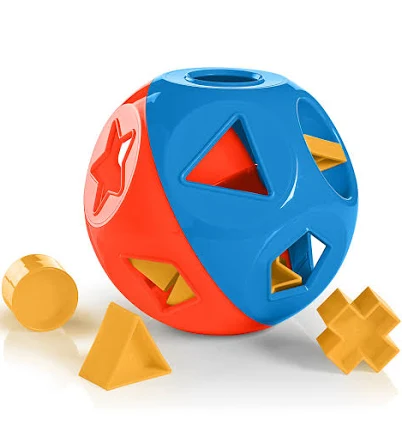
Tupperware Shape-O Toy
Tupperware's iconic Shape-O Toy is a pop-up sensation that has delighted generations of toddlers. Colorful shapes push into slots on a bright plastic ball, triggering a satisfying pop-up surprise - pure cause-and-effect magic for a 2 year old. The rounded design fits perfectly in little hands, and each shape has a unique texture that invites tactile exploration. It's ideal for the persistent problem-solver who loves learning through trial and experimentation.
See it →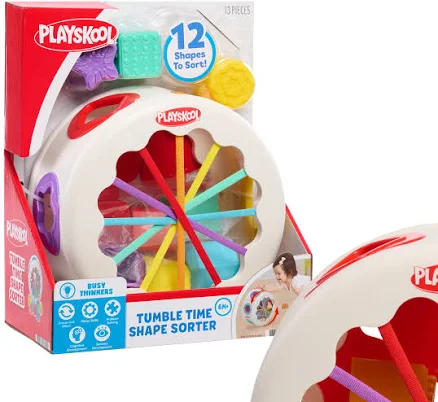
Playskool Tumble Time Shape Sorter Activity Toy, 12 Textured Shapes, Kids Ages 9 Months and up
Playskool's Tumble Time Shape Sorter combines activity and learning with its 12 textured shapes and colorful base. As toddlers insert shapes, they tumble down inside, creating movement and sound that keeps little ones engaged. The variety of textures and the rolling action add a sensory dimension beyond traditional shape sorters. Perfect for the 2 year old who learns best through multiple modalities and loves watching things happen as a result of their actions.
See it →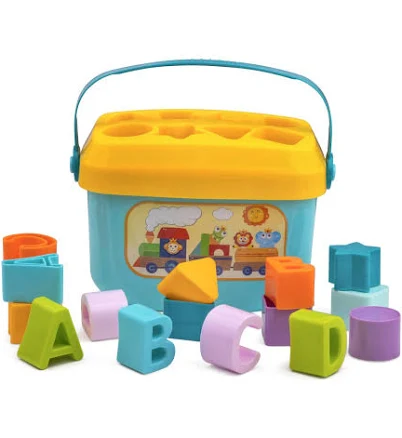
Playkidz Shape Sorter Baby and Toddler Toy
The Playkidz Shape Sorter Baby and Toddler Toy is an affordable, cheerful option that doesn't skimp on quality or appeal. Bright colors and easy-to-handle shapes make it accessible for 2 year olds just beginning their shape-sorting journey. The simplicity of the design means less frustration and more successful playtime, which builds confidence. It's ideal for families looking for a great starter sorter or a gift for a child who prefers straightforward, no-nonsense toys.
See it →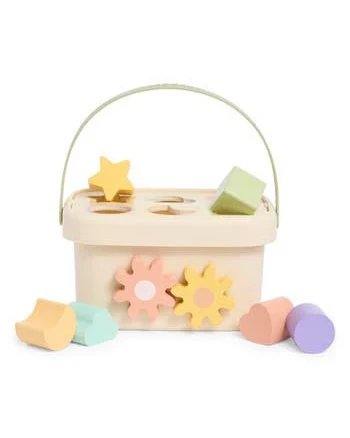
Pearhead Shape Sorter Bucket Toy
Pearhead's Shape Sorter Bucket Toy is beautifully designed with a soft handle and sturdy construction that feels premium without the premium price tag. Each of the chunky shapes is intentionally sized for toddler hands, making insertion feel triumphant rather than frustrating. The bucket design lets shapes tumble inside with satisfying rattling sounds. Best for the 2 year old who responds well to color and design quality, or a parent looking for a toy that's beautiful enough to leave out.
See it →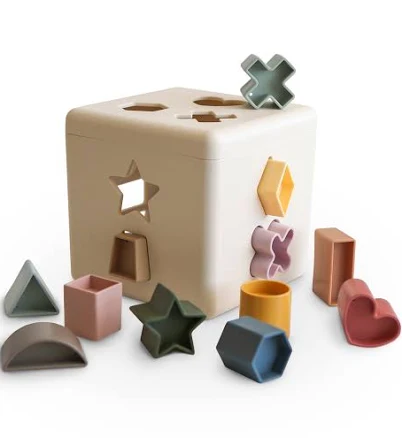
Mushie Shape Sorting Box
Mushie's Shape Sorting Box is a Scandinavian-designed toy that prioritizes aesthetics alongside learning. Made with sustainable materials and thoughtful shape variety, it's the kind of toy that looks gorgeous in a playroom. The pastel colors and minimalist design appeal to both toddlers and parents. Each shape insertion builds confidence and fine motor control. It's perfect for the style-conscious family or the 2 year old whose playspace is curated with care.
See it →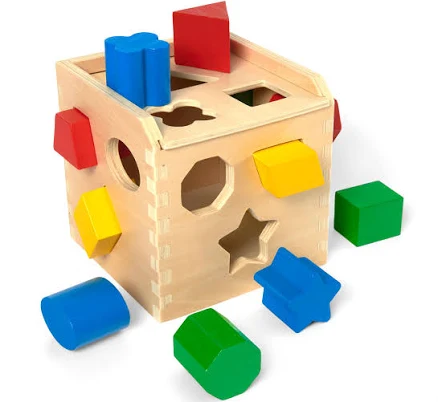
Melissa & Doug Personalized Shape Sorting Cube Classic Wooden Toy with 12 Shapes
Melissa & Doug's Personalized Shape Sorting Cube offers something special - the option to add your child's name. This wooden cube features 12 different shapes to sort, providing more variety than simpler sorters while still being manageable for a 2 year old. Personalization makes it a memorable keepsake-quality gift that families treasure. Best for milestone celebrations or when you want a gift that feels uniquely special and thoughtful.
See it →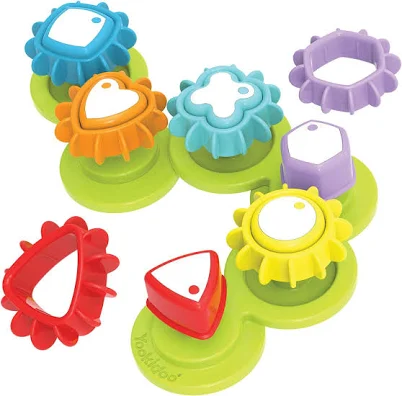
Yookidoo Shape ‘N’ Spin Gear Sorter Developmental Activity Toy
Yookidoo's Shape 'N' Spin Gear Sorter is a genius hybrid that combines shape sorting with spinning gears. As shapes go into slots, gears underneath whirl to life, creating captivating cause-and-effect play. The motion and visual feedback make this toy endlessly entertaining for curious 2 year olds. It's ideal for the observer-type toddler who loves watching mechanical things happen and loves learning through fascination.
See it →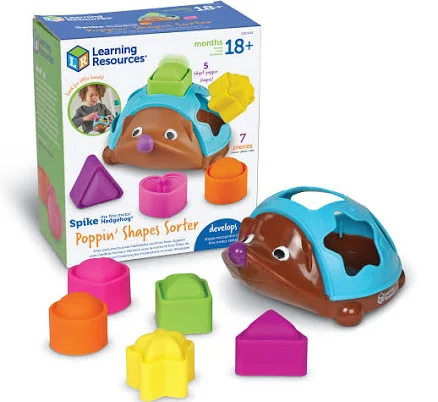
Learning Resources Spike the Fine Motor Hedgehog Poppin' Shapes Sorter
Learning Resources' Spike the Fine Motor Hedgehog features colorful shapes that pop into the hedgehog's back with satisfying clicks. Beyond just sorting, the shapes build fine motor skills and hand-eye coordination with each insertion. The hedgehog design adds character and whimsy that appeals to toddlers. Perfect for the 2 year old who's developing stronger motor control and appreciates a toy with personality.
See it →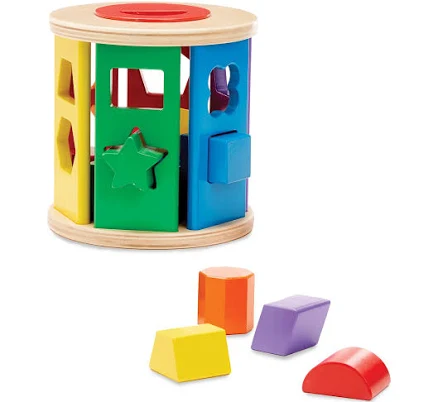
Melissa & Doug Match and Roll Shape Sorter
Melissa & Doug's Match and Roll Shape Sorter adds a delightful twist - shapes roll down a ramp after being inserted. The rolling action keeps 2 year olds engaged and coming back for more, combining the satisfaction of shape matching with the joy of watching things move. It's a clever design that extends play value beyond basic sorting. Best for the kinesthetic learner who loves motion and repetitive, satisfying actions.
See it →Musical Toys and Sound Play
Every toddler loves making noise and exploring rhythm. These five musical instruments and rhythm sets let 2 year olds experiment with cause-and-effect while building auditory awareness and coordination. They're perfect for kids who are naturally drawn to banging, tapping, and listening.
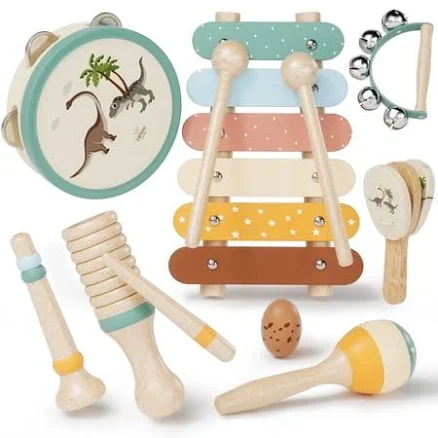
Musical Instruments for Kids
This Musical Instruments for Kids set from Oroliving is a colorful collection featuring drums, maracas, and other percussion instruments designed for tiny hands. It introduces toddlers to rhythm and sound exploration in a fun, tactile way. The variety of instruments means different sounds and textures keep a 2 year old engaged for extended play. Perfect for the budding musician or any child who loves making joyful noise.
See it →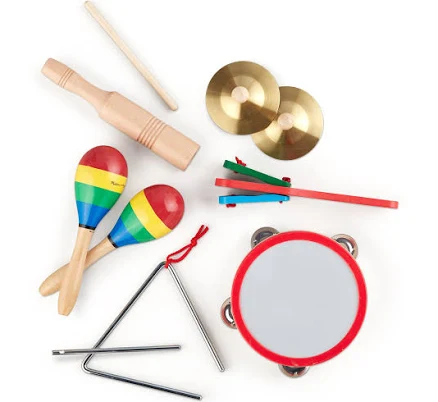
Melissa & Doug Band In-A-Box Musical Instrument Set
Melissa & Doug's Band In-A-Box Musical Instrument Set delivers classroom-quality instruments in a convenient wooden box. It includes drums, cymbals, maracas, and more - enough for group play or solo performances. The wooden construction and authentic sounds make this feel like a real introduction to music. Ideal for the 2 year old who's rhythmic, expressive, and loves group activities with family or playmates.
See it →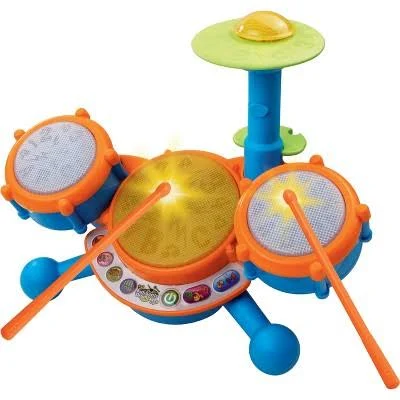
VTech KidiBeats Drum Set
VTech's KidiBeats Drum Set combines electronic learning with percussion play, featuring flashing lights and simple songs that respond to the toddler's taps. It's perfect for the tech-forward family or the child who loves light-up toys and musical feedback. The set includes drumsticks sized for small hands, and the electronic element keeps engagement high. Best for 2 year olds who respond to visual feedback and love the excitement of interactive technology.
See it →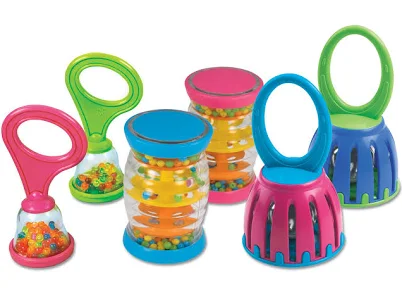
Lakeshore Baby Band Rhythm Set
Lakeshore's Baby Band Rhythm Set is a premium wooden collection with authentic percussion instruments designed for toddlers. Each instrument produces beautiful, clear sounds that introduce genuine musicality rather than cheap tinny noises. The quality craftsmanship makes it a gift that grows with your child. Perfect for families who value musical exposure and want their toddler's toys to sound as good as they look.
See it →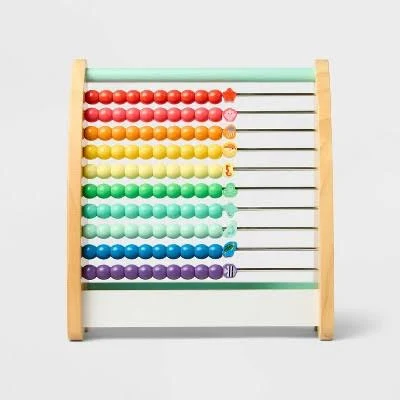
Counting Toy Gigglescape Abacus Module Baby & Toddler Learning
The Gigglescape Abacus Module is a delightful counting toy that combines beads, textures, and bright colors on an easy-to-handle frame. Sliding beads along rods builds fine motor skills while introducing number concepts in a playful way. The tactile engagement makes learning feel completely natural. Best for the 2 year old who likes fiddling with things or benefits from hands-on learning approaches.
See it →Counting and Number Learning
Early numeracy doesn't have to feel like a lesson - these six toys make counting fun and tactile. From puzzles to manipulatives, each one lets 2 year olds play with numbers in ways that feel like pure exploration rather than formal education.
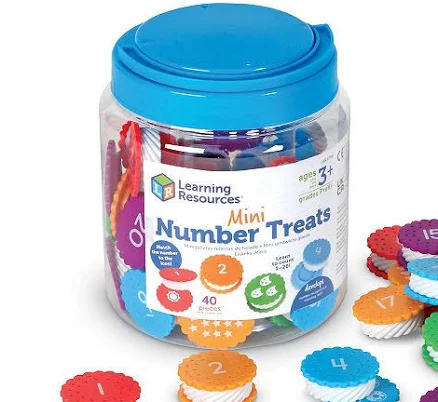
Learning Resources Mini Number Cookies
Learning Resources' Mini Number Cookies transform counting into pretend play - each colorful cookie represents a number and invites interactive learning. Toddlers can count, sort, and use them in imaginative play scenarios. The cookie format makes numeracy feel playful and concrete rather than abstract. Ideal for the imaginative 2 year old who learns best through storytelling and pretend play.
See it →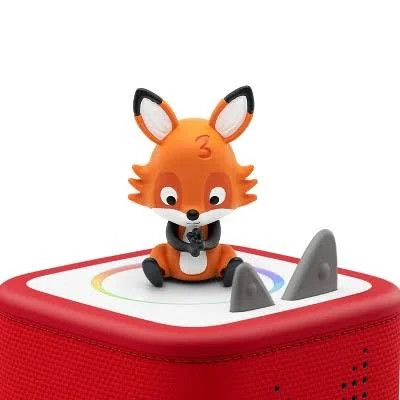
Audio-Tonies Counting Songs
Audio-Tonies' Counting Songs combine auditory learning with physical play through a collectible character system. Press the character to hear engaging counting songs that reinforce early numeracy concepts. The multi-sensory approach - listening, touching, and counting along - maximizes learning retention. Perfect for the 2 year old who's musical or who benefits from auditory learning paths.
See it →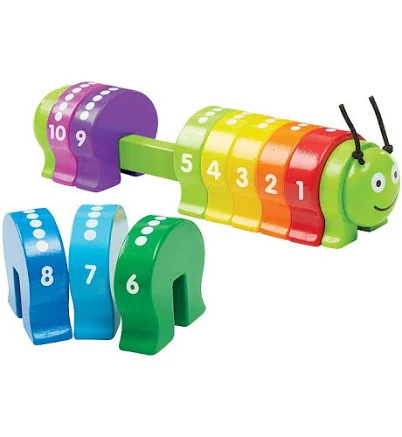
Melissa & Doug Counting Caterpillar Puzzle
Melissa & Doug's Counting Caterpillar Puzzle is a beautifully-illustrated chunky puzzle where each segment is numbered, introducing counting through assembly play. The colorful caterpillar design delights toddlers while the puzzle format teaches sequencing. Completing the caterpillar provides real accomplishment and cognitive satisfaction. Best for the 2 year old who loves puzzles and solving spatial challenges.
See it →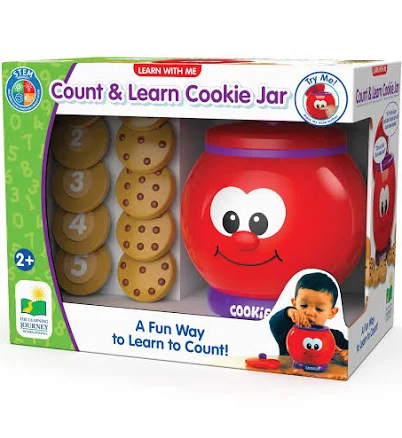
Learning Journey Count & Learn Cookie Jar
Learning Journey's Count & Learn Cookie Jar is an interactive toy where shapes fit into cookie jar slots, each representing numbers. As kids insert shapes, they hear counting and encouraging feedback from the jar itself. The cookie jar theme connects to familiar pretend play while teaching numeracy. Ideal for the interactive learner who loves toys that respond and engage with them.
See it →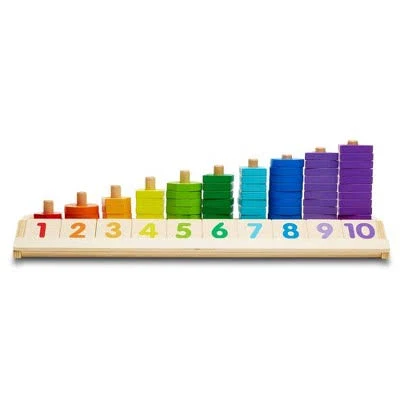
Melissa & Doug Counting Shape Stacker
Melissa & Doug's Counting Shape Stacker combines two skills - counting and stacking - in one satisfying toy. Colorful stacking rings feature numbers that reinforce early numeracy as toddlers build. The stability of the base prevents frustration from tumbling towers. Perfect for the 2 year old developing both motor control and number awareness simultaneously.
See it →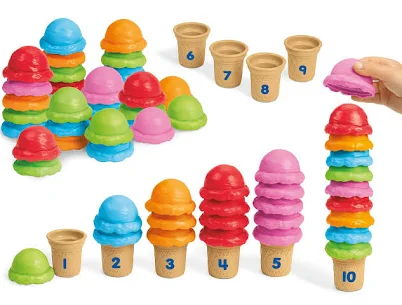
Lakeshore Counting Cones
Lakeshore's Counting Cones offer premium learning through colorful stacking cones numbered for sequential play. Each cone nests inside the next, building spatial understanding alongside counting. The high-quality plastic has a satisfying weight that makes stacking feel rewarding. Best for the organized learner who loves order, sequence, and the satisfying click of nesting toys.
See it →Activity Centers and Active Exploration
Activity centers are the gift that keeps giving - they offer hours of multi-sensory exploration and gentle physical activity. These seven stations combine music, lights, and interactive features in designs that grow with your toddler from 9 months through the early preschool years.
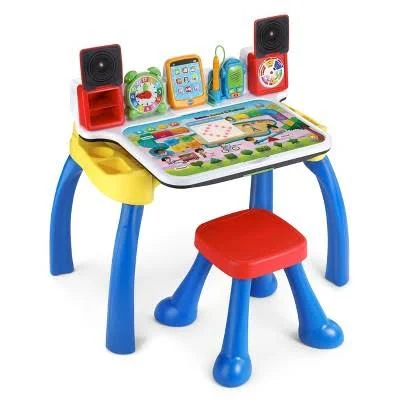
VTech Explore & Write Deluxe Activity Desk
VTech's Explore & Write Deluxe Activity Desk is a feature-rich station combining music, lights, writing practice, and interactive games. With multiple activities built in, it keeps 2 year olds engaged across different moods and interests. The desk setup encourages independent, seated exploration. Ideal for families wanting a centerpiece toy that offers months of developmental engagement.
See it →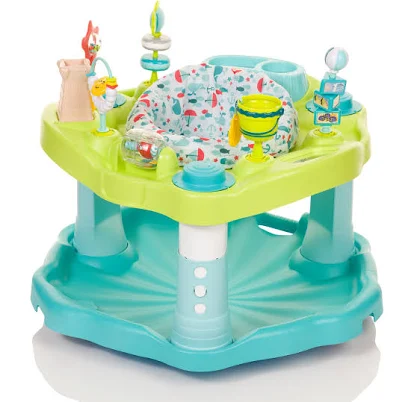
Evenflo Exersaucer Seaside Splash Activity Center
Evenflo's Exersaucer Seaside Splash Activity Center features a water play component alongside bouncing and spinning activities, perfect for the sensory-seeking toddler. The variety of textures, sounds, and movements keeps 2 year olds stimulated across multiple development domains. The stationary design means safe, supervised exploration. Best for the active 2 year old who needs physical outlets and sensory variety.
See it →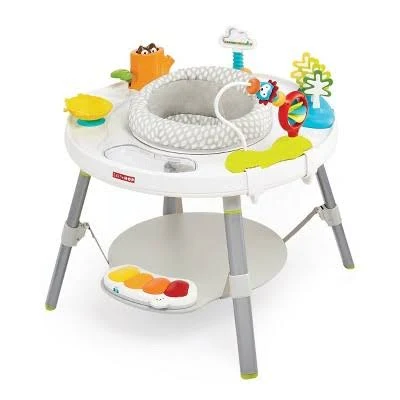
Skip Hop Explore & More Baby's View 3-Stage Activity Center
Skip Hop's Explore & More 3-Stage Activity Center grows with your child through multiple configuration options and activity depth. It features quality materials, thoughtful design, and activities that scale in complexity. The modular nature means fresh engagement as your child develops. Perfect for families investing in a toy they'll use from 9 months through the early preschool years.
See it →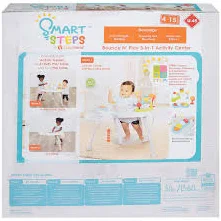
Smart Steps Bounce N' Play 3-in-1 Activity Center
Smart Steps' Bounce N' Play 3-in-1 Activity Center transforms between stationary play, bouncer, and rocker configurations. The adaptability means it serves multiple developmental purposes without buying separate toys. The bouncing motion appeals to toddlers who love physical input. Ideal for the 2 year old who's active and energetic, or families seeking multi-functional toys.
See it →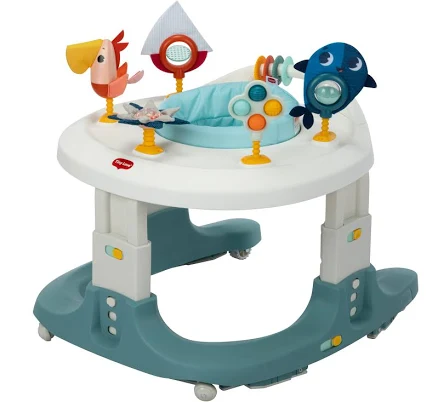
Tiny Love Tiny Mariners 4-in-1 Here I Grow Mobile Activity Center
Tiny Love's Tiny Mariners 4-in-1 Here I Grow Mobile Activity Center is designed to evolve with your child through four distinct play stages. The sophisticated design and rich activity selection keep engagement high across months. The nautical theme is visually cohesive and appealing. Best for the family looking for a premium activity center that delivers genuine developmental value and longevity.
See it →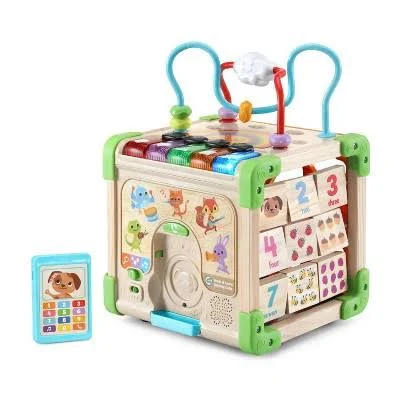
LeapFrog Touch & Learn Wooden Activity Cube
LeapFrog's Touch & Learn Wooden Activity Cube combines educational technology with natural wood aesthetics - the best of both worlds. Each side features different interactive activities teaching letters, numbers, and music. The wooden construction feels substantial and beautiful. Perfect for the tech-forward family or the 2 year old whose home values both learning and design quality.
See it →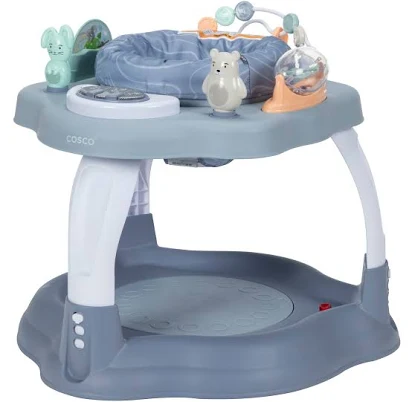
Cosco Play-in-Place Activity Center
Cosco's Play-in-Place Activity Center offers solid multi-activity engagement without the premium price point of luxury brands. It combines bouncing, spinning, and interactive features in a manageable footprint. The affordability means less guilt about it eventually being outgrown. Ideal for budget-conscious families or those wanting an activity center without significant investment.
See it →How to Choose the Right Gift for Your Toddler
Budget smartly across price tiers. Excellent gifts for 2 year olds span all budgets. Expect quality toys at $15-30 for items like shape sorters and simple books, $30-75 for interactive learning centers or balance bikes, and $75-150 for larger investments like ride-on toys or play kitchens. You don't need to spend heavily - thoughtful, mid-range picks often deliver the most play value.
Match the gift to the moment. Consider what the child already has at home and what they're ready to explore developmentally. Active toddlers thrive with ride-on toys and outdoor equipment; quieter kids gravitate toward books and sensory play. If you're giving a gift for a special occasion like a milestone birthday, choose something that marks the moment - perhaps a keepsake toy or personalized item they'll remember.
Add personal touches that make it meaningful. Include a handwritten note about why you chose this gift, or pair it with a simple photo album of memories together. If the toy allows customization, add the child's name. These small gestures turn a standard present into something the family treasures.
Avoid common pitfalls. Steer clear of toys with small removable parts (choking hazards), overly loud noise-makers that exhaust caregivers, and items too advanced to hold interest. Skip trendy characters your young toddler won't recognize. Instead, choose toys with staying power - those that inspire open-ended play across months and years.
Prices and availability may change. Products are independently selected.
Save this as your wishlist - free AI gift picker
Love these picks? Save them as your shared wishlist in seconds, then let GiftX's free AI find even more gift ideas for anyone on your list.
Get GiftX on iOS Get it on Google Play Try the free AI gift picker