 GiftX
GiftXFinding the right present for the woman who has given so much can feel daunting, but 2026 brings an exciting wave of gifts for grandmothers that balance thoughtfulness with genuine utility. Whether you're searching for unique gifts for grandmothers or exploring luxury options, this guide showcases the picks that resonate most with today's grandmas - from tech-forward gadgets to timeless keepsakes that celebrate the bond between generations.
Save this as your wishlist - free AI gift picker
Love these picks? Save them as your shared wishlist in seconds, then let GiftX's free AI find even more gift ideas for anyone on your list.
Get GiftX on iOS Get it on Google Play Try the free AI gift picker
What sets these selections apart is their blend of practicality and sentimentality. The best gift for grandmother isn't always the most expensive; it's one that speaks to her interests, honors her lifestyle, and shows you truly know her. This year, we've prioritized gifts that deliver real joy and lasting value, whether they arrive last-minute or are carefully planned for a special milestone.
How to Shop for the Best Gifts for Grandmothers by Interest
The fastest way to land on a gift she will actually use is to start with what she loves, not with a category. A grandmother who gardens, one who reads three books a week, and one who video-calls the grandkids every night want very different things, even at the same budget. Below we have grouped every pick in this guide by the interest and lifestyle it fits best, so you can jump straight to the section that sounds like your grandma. Match the interest first, then let the budget decide which pick in that group is right.
If you are still torn between a few options, save the ones that feel close in the free GiftX AI gift picker. It turns your shortlist into a shareable wishlist and suggests more ideas tuned to her interests, so you are not guessing alone.
Find her gift by interest - free AI gift picker
Tell GiftX what she is into and let the free AI surface personalized picks by interest and budget, then save them as a shareable wishlist in seconds.
Get GiftX on iOS Get it on Google Play Try the free AI gift picker
Gifts by interest and budget at a glance
Use this table to match her main interest to a gift type in this guide and a rough budget band, then scroll to that section for the specific picks.
| If your grandmother loves | Best gift type in this guide | Rough budget |
|---|---|---|
| Family and sentiment | Personalized birthstone jewelry, monogram and name jewelry | Under $25 to $475+ |
| Collecting memories over time | Charm bracelets and heirloom pieces | $10 to $160 |
| Rest, self-care and wellness | Foot massagers, aromatherapy diffuser | $34 to $180 |
| Cozy comfort and home | Luxury cashmere throws and blankets | $260 to $495 |
| Trying new things and staying organized | The free GiftX AI gift picker to shortlist and share | Free |
The homebody and comfort lover
For the grandma who is happiest curled up at home, lean into the Luxury Comfort and Warmth section below, where cashmere throws range from an accessible everyday option to a true investment piece. Pair a soft throw with the aromatherapy diffuser for a self-care set she can enjoy every evening.
The wellness and self-care grandma
If she is always on her feet or values her health, the Foot Massage and Wellness picks below cover everything from a budget-friendly first massager to a premium foot-and-calf machine with heat. These are among the most reliably appreciated gifts because they deliver relief she feels immediately.
The sentimental grandma who loves family
For the grandma whose whole world is her family, personalized jewelry wins every time. The Personalized Birthstone Jewelry and Monogram and Name Jewelry sections below let you put her family, her name, or her initials front and center at almost any budget, from an affordable Etsy find to heirloom-quality gold.
The collector who loves a story
Charm bracelets are perfect for the grandma who enjoys building something over time. Start her collection with the Charm Bracelets and Heirloom Pieces below, then add a new charm for each birthday or holiday so the gift keeps growing with your family.
Personalized Birthstone Jewelry
Nothing says "you're loved and remembered" like jewelry featuring the birthstones of her family. These personalized pieces transform meaningful dates into wearable keepsakes that grandmas treasure forever. From necklaces to rings, each piece celebrates the connections that matter most.
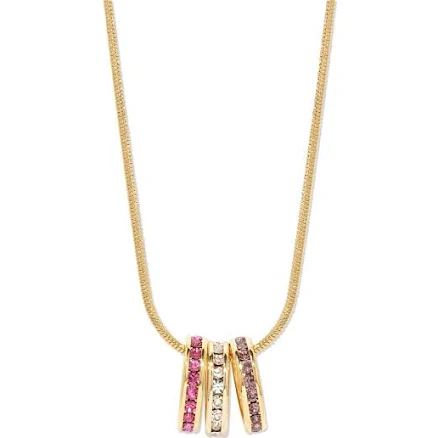
Gold Birthstone Charm Necklace
This stunning 14K gold necklace features a hand-cut birthstone charm that catches the light beautifully. It's the perfect way to celebrate the special people in her life - think family birthstones hung together on a delicate chain. The craftsmanship is visible in every detail, from the secure setting to the smooth polish. Best for the sentimental grandma who loves wearing her family close to her heart.
See it →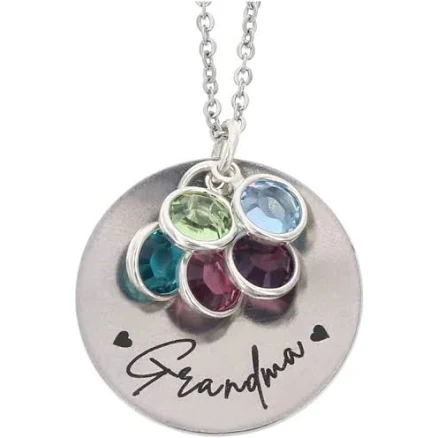
Personalized Grandma Birthstone Necklace
A more affordable way to get genuine personalized birthstone magic, this handmade necklace from a talented Etsy artisan features a custom-engraved Grandma charm paired with real birthstones. The sterling silver base is durable for everyday wear, and the customization means it's uniquely hers. Each piece is made to order, adding to its special quality. Perfect for the grandma on any budget who wants something meaningful and real.
See it →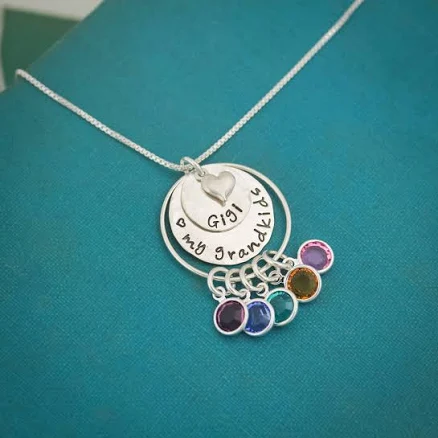
Personalized Grandma Necklace with Birthstones
High-end luxury meets personalization in this stunning custom necklace featuring premium birthstones set into a beautiful family pendant. Tracy Tayan's design expertise shows in the proportions and materials - this is clearly a statement piece. The weight and quality feel substantial in hand, and it photographs beautifully for those family moments she'll treasure. Ideal for the grandma who deserves investment jewelry.
See it →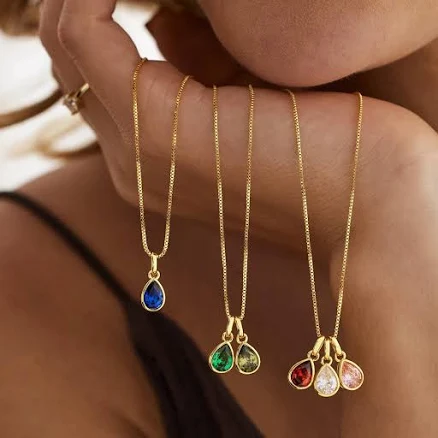
14K Gold Gemstone Necklace
This delicate 14K gold necklace brings affordable luxury within reach, offering real gold with an authentic birthstone that won't fade or chip. The simple, timeless design means she'll reach for it daily, making it the gift that actually gets worn. The stone is securely set and genuinely sparkles. Best for practical grandmas who appreciate quality but want something understated and wearable every single day.
See it →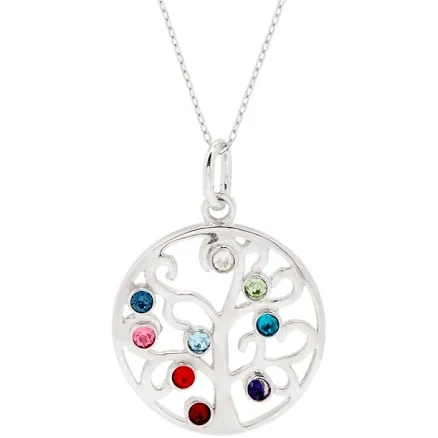
Gold Birthstone Necklace Stone Family Tree Pendant
A beautiful take on the family tree concept, this necklace features multiple birthstones arranged in a pendant that celebrates the whole family at once. The gold is warm and substantial, and watching her recognize each stone as she touches it will melt your heart. The craftsmanship is evident in how securely each gem is set. Perfect for the grandma who sees herself as the root of the family tree.
See it →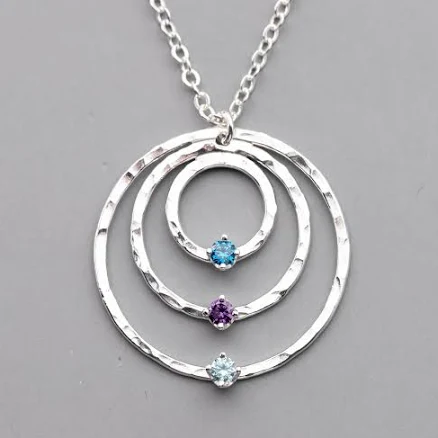
Personalized Sterling Silver Grandma Necklace with Custom Handmade Birthstone
Handcrafted from sterling silver with genuine custom birthstones, this necklace offers artisan quality at a beautiful price point. The maker takes care with every detail - the chain, the settings, the finish - resulting in a piece that feels genuinely special. You'll see her wearing this constantly because it's pretty, meaningful, and durable enough for daily life. Ideal for the grandma who loves supporting independent makers.
See it →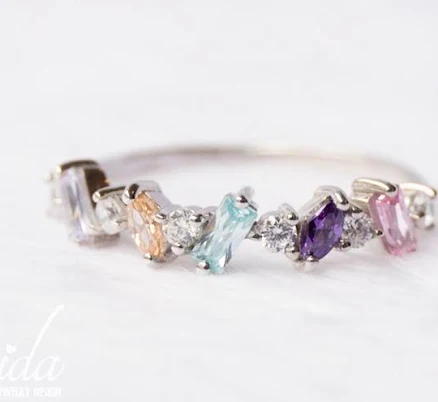
Personalized Amethyst Citrine Aquamarine Tourmaline Ring
A gorgeous personalized ring featuring gemstones in her chosen colors or the birthstones of her loved ones. Each stone is carefully set and the design is modern yet timeless. The ring feels special on her finger every single time she looks at it. Best for the grandma who loves color and wants jewelry that's both beautiful and deeply personal.
See it →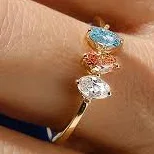
14k Solid Gold Personalized 3 Stone Birthstone Ring
This 14K solid gold personalized ring features three birthstones that represent the people or moments most important to her. The solid gold ensures longevity - this is heirloom-quality jewelry. The setting is secure and the stones are brilliant. Perfect for the grandma who wants jewelry that will actually last and be passed down to the next generation.
See it →Monogram and Name Jewelry
A classic monogram or engraved name piece is the ultimate timeless gift - elegant, personal, and something she'll wear for decades. Whether it's a bracelet, necklace, or ring, these pieces put her identity front and center. Perfect for the grandma who appreciates understated sophistication.
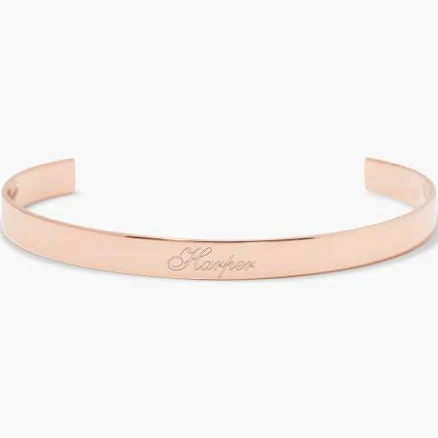
Brook & York Personalized Name Cuff
This personalized cuff bracelet engraves her name in a clean, modern font that never goes out of style. Wear it alone or layer it with other bracelets for a contemporary look. The fit is comfortable and secure, and the engraving is crisp and lasting. Best for the fashionable grandma who appreciates minimalist design and loves a personalized touch that's actually wearable.
See it →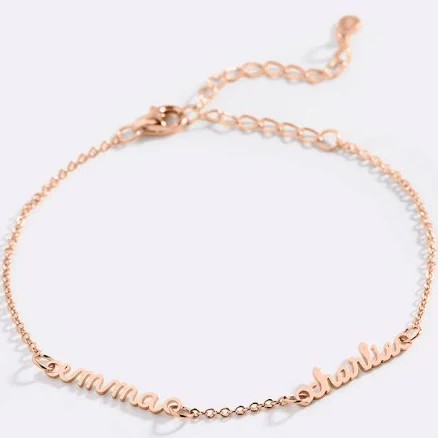
Name Multi Bracelet 18k Gold Over Sterling Silver + 1"
A stunning 18K gold-plated multi-strand bracelet featuring custom engraved names or initials, this piece balances femininity with presence. You'll notice heads turning when she wears it - the quality of the plating means it stays vibrant. The multiple names or birthstones woven together celebrate family beautifully. Perfect for the grandma who likes her jewelry to make a graceful statement.
See it →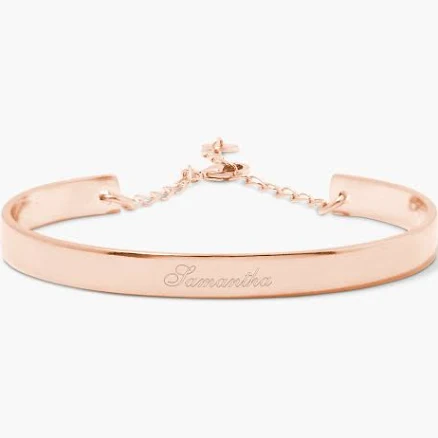
Women Brook and York Gwen Personalized Name Bracelet
Gwen is Brook and York's signature style - a personalized bracelet that feels upscale without being stuffy. The engraving is precise, the metal finish is flawless, and it's the kind of bracelet that looks equally good at brunch or dressed down with everyday wear. The fit is comfortable for all-day wearing. Ideal for the grandma with modern taste who still loves personal touches.
See it →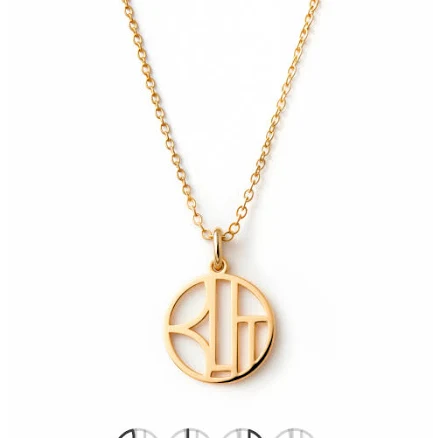
Family Initials Necklace Monogram Jewelry
This monogram necklace uses interlocking initials in a classic design that's been elegant for generations and always will be. The monogram arrangement is traditional and immediately recognizable. The metal is substantial and durable, making it an investment piece she'll wear for decades. Best for the grandma with timeless style who appreciates classic design principles.
See it →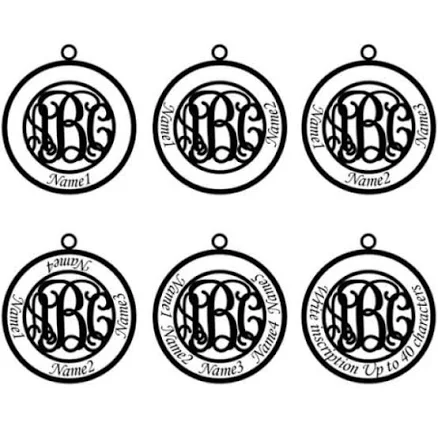
18ct Gold Plated Monogram Necklace
An 18ct gold-plated monogram necklace that delivers high-end appearance at a reasonable investment. The monogram is beautifully rendered with proper spacing and proportion. This is the kind of piece that looks like it costs twice as much as it does. Perfect for the grandma who loves the elegance of a personal monogram and appreciates when quality shows.
See it →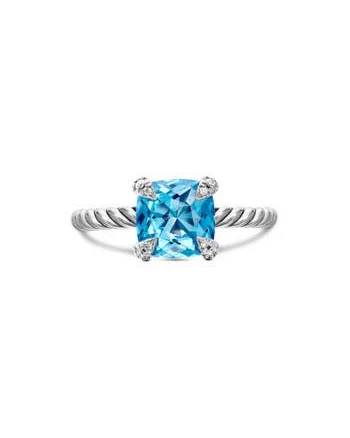
David Yurman Women's Chatelaine Ring and Diamonds
This David Yurman piece is luxury jewelry for the grandma who has excellent taste. The chatelaine design is iconic, the diamonds catch light from every angle, and the craftsmanship is museum-quality. This isn't just a ring - it's a statement that says her style is sophisticated and she's worth the investment. Ideal for the special-occasion grandma or the one who truly loves fine jewelry.
See it →Charm Bracelets and Heirloom Pieces
Charm bracelets are the gift that keeps growing - each new charm becomes a memory and a conversation starter. Build them from scratch or choose pieces she can customize over time, creating a wearable story of family moments. These are keepsakes she'll pass down.
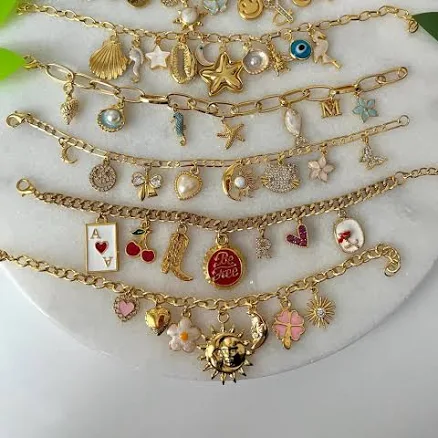
Vintage Chunky Charm Bracelet
A delightfully vintage-inspired chunky charm bracelet that invites creativity and storytelling. The substantial feel of the bracelet makes each charm feel significant, and there's something charming about the older aesthetic. You can start her collection with meaningful charms and let her add more over time. Best for the grandma with a playful spirit who loves jewelry with personality.
See it →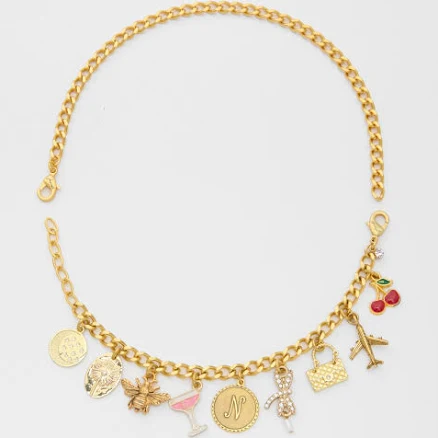
John Wind Jewelry Custom Charm Bracelet
John Wind's expertise in jewelry design shows in this custom charm bracelet that balances elegance with fun. The quality of the base bracelet is exceptional, and each charm is carefully chosen or created. This becomes a collaborative gift - you give her the foundation and she (or you over time) add meaningful charms. Ideal for the grandma who loves being part of the creative process.
See it →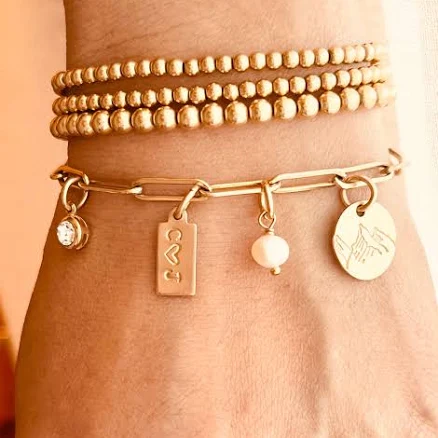
Personalized Gold Charm Bracelet Build Your Own Story Bracelet Bracelet + Charms 1” Extender
Build this gorgeous charm bracelet from scratch, selecting the base metal and charms that tell her specific story. The craftsmanship is excellent, the charms are beautifully made, and it comes with an extender so it'll fit comfortably for years. Watching her face light up as she receives a bracelet that's completely unique to her is priceless. Perfect for the grandma you want to honor with a truly one-of-a-kind gift.
See it →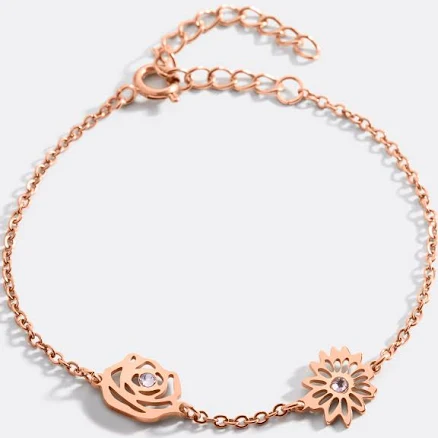
Personalized Birth Flower Charm Bracelet
This charm bracelet celebrates the beauty of birth flowers - each charm represents a month and someone special born in that month. The flowers are rendered in gorgeous detail and the bracelet itself is substantial enough to feel special. It's a conversation starter and a sweet way to honor family members. Best for the nature-loving grandma or one who appreciates floral symbolism.
See it →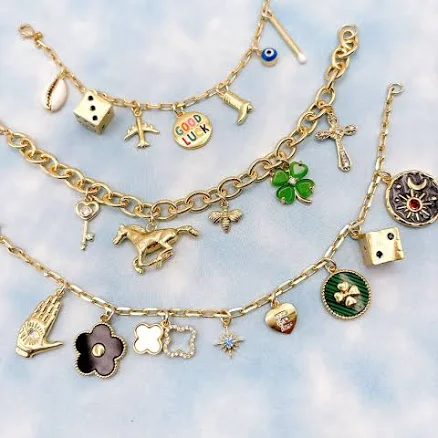
Build Your Own Custom Charm Bracelet. Gold Charm Bracelet. Custom Charm Bracelet. Gift for Her.
Give her the freedom to build exactly the charm bracelet she's always wanted, choosing from beautiful curated charms and a quality gold base. This isn't pre-made - it's customized to her taste and interests. The process of choosing charms together can be a bonding experience, or let her surprise you with her selections. Ideal for the grandma who has specific style preferences and loves creative autonomy.
See it →Foot Massage and Wellness
After a lifetime of standing, caring for family, and staying on the move, every grandma deserves the luxury of soothing foot care. A quality foot massager brings relief right into her home, whether she's watching her shows or unwinding after a busy day. These wellness gifts say: "You deserve to relax."
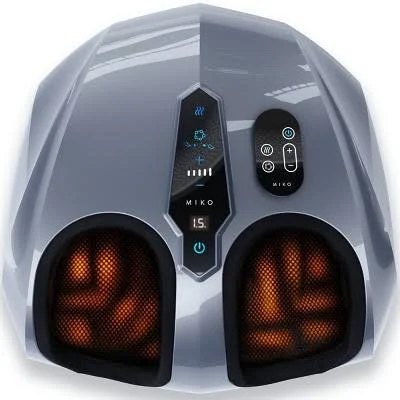
Miko Shiatsu Foot Massager Machine
The Miko Shiatsu delivers professional-grade foot massage in a compact, quiet machine designed for serious foot relief. It features multiple massage modes and heat therapy that soothes tired feet after a long day of being grandma. The shiatsu nodes mimic real massage technique, and you'll hear her sigh with relief the first time she uses it. Perfect for the active grandma who's always on her feet.
See it →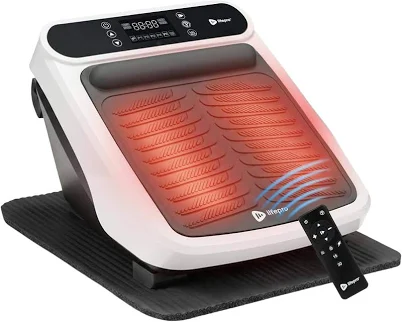
LifePro Foot Calf Massager with Heat Neuropathy Relief Soothing Therapy
This premium foot and calf massager goes beyond just feet - it treats the full lower leg with heating technology specifically designed for neuropathy relief. The heating function is genuinely soothing, and the massage intensity is adjustable for comfort. She'll look forward to using this daily, turning massage time into her personal spa moment. Ideal for the grandma who values health and wellness.
See it →
Miko Yoisho Foot Massager Machine
The Miko Yoisho is mid-range luxury - more affordable than the high-end options but with genuinely thoughtful features like adjustable intensity and a compact design. It delivers legitimate foot relief without taking up much space in her living room. The quality is solid for the price, and it actually gets used regularly. Best for the grandma who wants real benefit without premium pricing.
See it →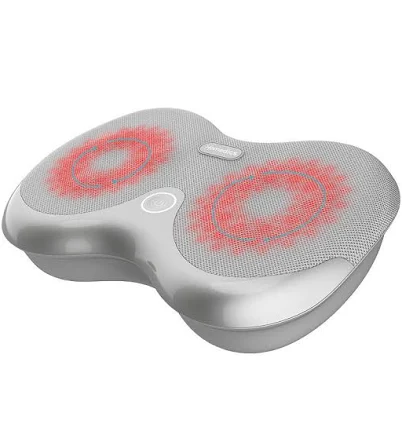
HoMedics Dual Shiatsu Foot Massager with Heat
This HoMedics massager proves that effective foot care doesn't require breaking the bank. The dual shiatsu nodes and heat function provide genuine relief for tired feet, and at this price point it's accessible for any budget. The build quality is reliable and it's simple enough that she won't need a manual to operate it. Perfect for the practical grandma or as a first massager to see if she loves the concept.
See it →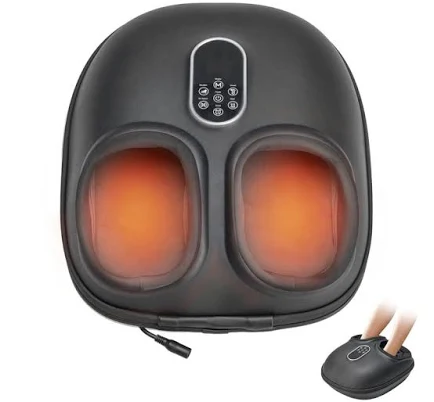
Gianna Foot Massager Machine
Sometimes the best gift is the one that actually fits the budget and still delivers real comfort. This Gianna foot massager provides surprising quality at an entry-level price - heat, multiple modes, and enough power to genuinely soothe tired feet. It's simple, effective, and won't make her feel guilty about you overspending. Ideal for the grandma who's thrilled by thoughtfulness over price tags.
See it →Luxury Comfort and Warmth
Nothing wraps comfort around you quite like premium cashmere. These throws and blankets are the everyday luxury every grandma deserves - soft enough to sink into, beautiful enough to display, and practical enough to use every single day. A gift of warmth is a gift of love.
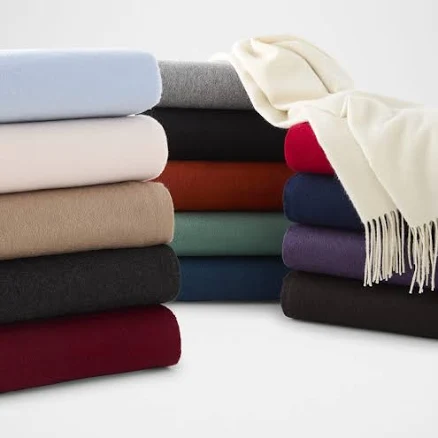
Sofia Cashmere Trentino Cashmere Throw
This Sofia Cashmere throw is pure indulgence - wrapping yourself in this is like being hugged by luxury. The Trentino weave is intricate and beautiful, adding visual interest to any room while delivering incredible softness. The craftsmanship is visible in every fiber, and the weight is substantial without being heavy. Best for the grandma who deserves to experience everyday luxury and appreciates beautiful things in her home.
See it →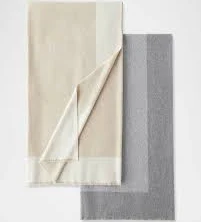
Sofia Cashmere Border Stripe Double-Face Throw Blanket
A premium double-face cashmere throw that's as gorgeous on the back of a sofa as it is draped over her shoulders - two different textures and rich colors in one piece. The border stripe detail elevates this beyond basic and makes it look like a design statement. This is investment-level comfort that she'll use and treasure for decades. Perfect for the grandma with discerning taste and a love of quality.
See it →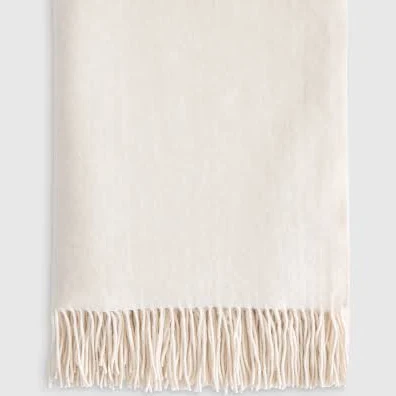
Quince Mongolian Cashmere Throw
Quince's Mongolian cashmere throw brings luxury down to a more accessible price without sacrificing actual quality. The softness is genuine, the weight is perfect for real warmth, and the neutral color goes with any decor. She'll use this constantly - draped over the couch, over her shoulders while reading, or on her lap while watching shows. Ideal for the grandma who values both comfort and smart spending.
See it →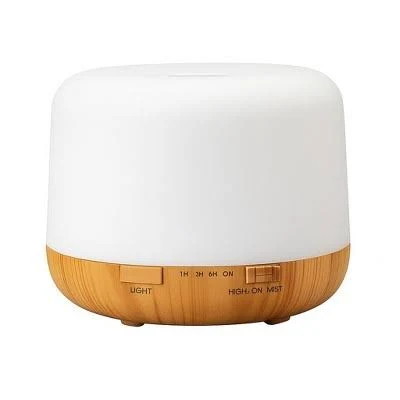
Di'Aroma Aromatherapy Essential Oil Diffuser
This essential oil diffuser transforms her space with customizable aromatherapy - she can choose lavender for relaxation, eucalyptus for energy, or any scent that speaks to her mood. The ultrasonic technology creates a fine mist that's gentle and effective, and the design is beautiful enough to display. It's the gift of atmosphere and wellness combined. Perfect for the grandma who loves creating a peaceful home environment and appreciates self-care rituals.
See it →How We Chose These Gifts
We built this guide around a simple test: would a real grandmother actually use and love this, and does it match a genuine interest rather than an age stereotype? To get there, we started by grouping ideas by interest and lifestyle so every recommendation answers a real search for gifts by interest, not a random product dump.
From there we prioritized picks that span the full budget range, so there is something meaningful whether you are spending under $25 or investing in an heirloom. Within each interest group we favored items with strong customer ratings and reviews, real personalization options where relevant, and quality that holds up to daily use. We deliberately avoided generic, one-size-fits-all gifts and anything that assumes a grandmother is fragile or behind on technology. Every pick had to earn its place by being thoughtful, usable, and something she would be glad to receive.
How to Choose the Right Gift for Your Grandmother
Set a realistic budget from the start. Meaningful gifts span all price ranges: under $25 you'll find beautiful scarves and quality candles; $25-$75 opens doors to jewelry, tech gadgets, and premium self-care; above $100, consider luxury wraps, high-end skincare, or experience gifts like cooking classes. The price tag matters far less than thoughtfulness.
Match the gift to the occasion and her lifestyle. A birthday calls for something celebratory - perhaps jewelry or a luxury item she'd hesitate to buy herself. For last-minute gifts, wellness products and consumables like tea or candles are always welcome. If she's active and gardening, tools and outdoor accessories shine. If she's the homebody type, comfort items and indoor hobbies fit perfectly.
Personalization transforms good gifts into treasured keepsakes. Engraved jewelry with her initials, a monogrammed blanket, or a custom photo frame holding family moments makes any gift infinitely more special. Even adding a heartfelt handwritten note elevates a simple present into something she'll cherish for years.
Avoid one-size-fits-all basics and gifts that assume age equals limited tech interest. Skip generic floral arrangements and avoid tech gadgets if you're unsure of her comfort level with new devices. Instead, ask yourself: Does this reflect who she really is? Will she use this regularly? Does this celebrate our relationship? If the answer is yes, you've found your gift.
Prices and availability may change. Products are independently selected.
Save this as your wishlist - free AI gift picker
Love these picks? Save them as your shared wishlist in seconds, then let GiftX's free AI find even more gift ideas for anyone on your list.
Get GiftX on iOS Get it on Google Play Try the free AI gift picker