Finding the right present for your brother doesn't have to be a challenge. Whether you're shopping for a birthday, holiday, or just because, our curated selection of gifts for brothers spans everything from practical everyday essentials to memorable keepsakes that he'll actually use and appreciate. In 2026, the best useful gifts for brother balance functionality with personal touch-items that feel thoughtful without being over the top.
This guide brings together unique gift ideas and unique birthday gifts for brothers that work across different budgets, interests, and personalities. From tech upgrades to hobby gear, personalized pieces to classic favorites, you'll find options that feel fresh and genuinely suited to the brother in your life.
Portable Power & Charging
Your brother's phone is constantly running out of juice, and he needs a reliable charging solution that actually fits in his pocket. These magnetic wireless power banks deliver fast, convenient charging without the cable clutter, making them perfect for the guy who's always on the move.
1
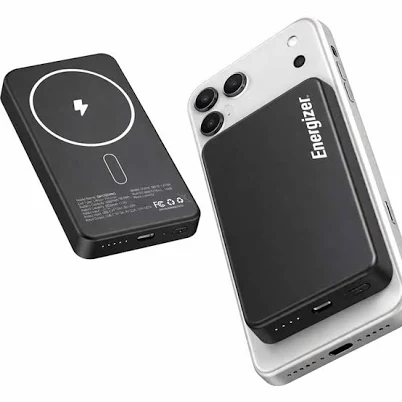
Energizer SLIM METAL 20W Magnetic Wireless Qi/Qi2.0/MagSafe PowerBank
Best Buy ★★★★☆ 4.4 · 766
The Energizer SLIM METAL is a compact magnetic wireless power bank that charges your brother's phone cable-free using MagSafe technology. Perfect for the minimalist who hates bulky chargers, it fits easily into a pocket or backpack while delivering respectable charging speeds. At just under 17 dollars, this slim metal design feels premium without the premium price tag. Best for anyone who wants reliable backup power without sacrificing portability or style.
2
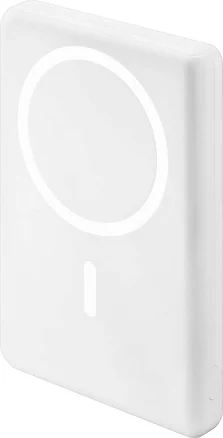
Anker MagGo 5K Slim Power Bank
Apple ★★★★★ 4.6 · 277
Anker's MagGo 5K Slim Power Bank is the Goldilocks of portable chargers - just right for daily needs without being oversized. The slim profile means it actually feels good in a pocket, and the magnetic alignment ensures your phone charges perfectly every time without fumbling. With Anker's reputation for longevity and reliability, this mid-range pick gives your brother peace of mind. Ideal for the commuter or traveler who values both convenience and sleek design.
3
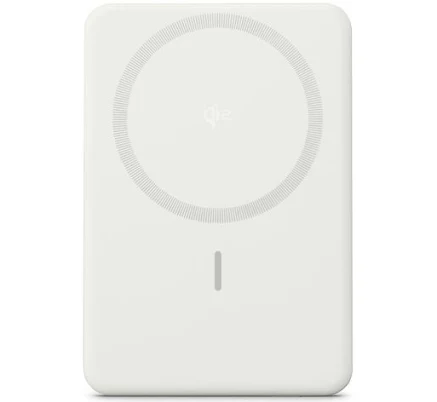
Best Buy Essentials 5,000mAh Magnetic Wireless Portable Charger
Best Buy ★★★★☆ 4.3 · 187
The Best Buy Essentials 5,000mAh Magnetic Wireless Portable Charger proves you don't need to spend a fortune for solid wireless charging. This compact charger uses magnetic alignment to keep your brother's phone perfectly centered while it charges, and the 5,000mAh capacity handles a full phone refill. At under 30 dollars, it's an easy win for the practical brother. Perfect for the guy who appreciates no-nonsense gear that just works.
4
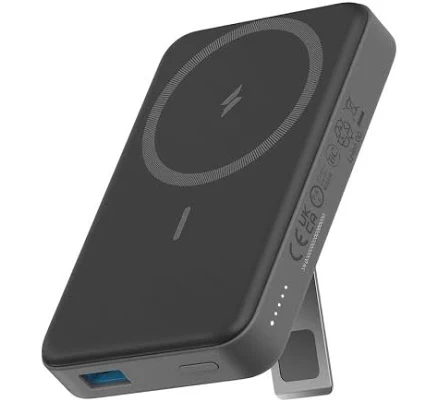
Anker Magnetic Battery
Anker US ★★★★☆ 4.4 · 1400
Anker's Magnetic Battery takes the wireless charging game seriously with multiple fast-charging technologies packed into an elegant form factor. It works seamlessly with MagSafe devices and delivers the kind of reliability Anker is known for, making it a favorite among tech enthusiasts. The battery itself is built to last for years of daily use, making it a genuinely smart investment. Best for the brother who already loves his Anker ecosystem or wants premium magnetic charging.
5
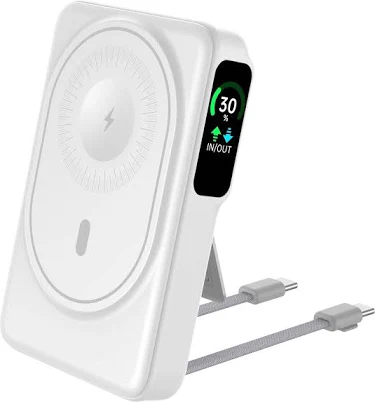
Energizer 10,000mAh 22.5W Magnetic Wireless Qi/Qi2.0/MagSafe PowerBank OLED Display
Best Buy ★★★★★ 4.5 · 209
The Energizer 10,000mAh with OLED Display gives your brother twice the capacity and adds a helpful screen showing exactly how much battery remains. The 22.5W charging speed means faster top-ups, and the OLED display makes it dead simple to check power levels at a glance. This is the sweet spot for someone who travels regularly or gets through heavy phone days. Ideal for the brother who uses his phone for everything from work to entertainment and needs serious endurance.
Smartwatches & Fitness Trackers
Whether he's crushing workouts, tracking his health, or just wants a smarter way to stay connected, these watches blend style with serious functionality. From ultra-rugged outdoor options to sleek everyday wear, there's a perfect match for his lifestyle.
6
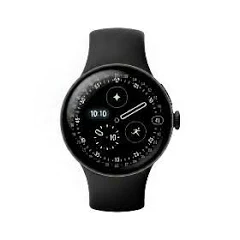
Google Pixel Watch 4
Target ★★★★★ 4.6 · 1300
Google Pixel Watch 4 is a beautifully designed smartwatch that keeps your brother connected while staying true to Google's clean, intuitive software philosophy. It tracks fitness, answers calls, and syncs perfectly with Android phones, all wrapped in a slim, wearable form. The always-on display and excellent battery life mean he'll actually reach for it daily instead of it becoming a drawer resident. Perfect for the tech-forward brother who values Google integration and minimalist design.
7
Samsung Galaxy Watch7
Best Buy ★★★★★ 4.5 · 27000
Samsung Galaxy Watch7 brings a refined approach to smartwatch functionality with a stunning AMOLED display and health-tracking features that go beyond basic step counting. The watch feels premium on the wrist and responds instantly to touch and voice commands, making interactions smooth and satisfying. With multi-day battery life and water resistance for swimming, it's genuinely versatile. Best for the brother who wants a mature, capable watch that doubles as a style statement.
8
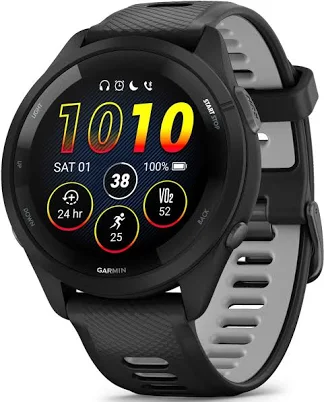
GARMIN FORERUNNER 265
DICK'S Sporting Goods ★★★★★ 4.8 · 4500
The Garmin Forerunner 265 is built for the brother who takes his fitness seriously, combining advanced running metrics with excellent battery life that lasts 11 days on a charge. GPS tracking is pinpoint accurate, and the training plans adapt to his performance in real time, making him a stronger runner over time. The vibrant AMOLED display is crisp and responsive even in bright sunlight. Ideal for the competitive athlete or runner who wants data-driven improvement.
9
Amazfit Active 2
Target ★★★★★ 4.8 · 4900
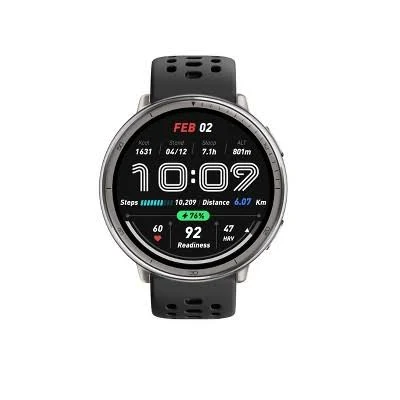
Amazfit Active 2 delivers surprising sophistication at a price point that feels almost unfair. This watch tracks everything from sleep to stress to heart rate, all while maintaining 14 days of battery life per charge - seriously impressive longevity. The design is sporty but elegant enough for the office, and it pairs seamlessly with both Android and iOS. Perfect for the brother who wants serious fitness features without the premium watch price.
10
Garmin Instinct E 45mm Smartwatch
DICK'S Sporting Goods ★★★★★ 4.5 · 417
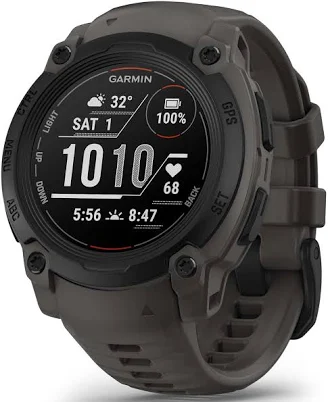
Garmin Instinct E 45mm is a rugged outdoor watch built for adventure with impressive durability and survival features that go way beyond typical smartwatch territory. The 45mm size feels substantial on the wrist, and the solar charging capability means it can keep running indefinitely in outdoor use. Multi-band GPS ensures accurate navigation even in challenging terrain. Best for the brother who hikes, camps, or spends serious time in nature.
11
Garmin Venu 4
Best Buy ★★★★★ 4.8 · 3900
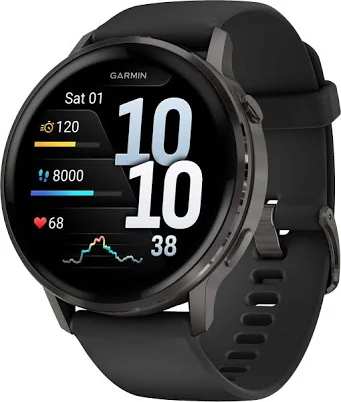
The Garmin Venu 4 is Garmin's most stylish offering, merging outdoor-grade reliability with a sleek design that works equally well at the gym or at dinner. The AMOLED display is absolutely gorgeous, and the battery lasts through multiple days of tracking with heavy use. Health metrics run deep, including blood oxygen, sleep coaching, and stress monitoring. Ideal for the brother who refuses to choose between style and substance in his smartwatch.
12
Garmin Vivoactive 6
Cycle Gear ★★★★★ 4.7 · 2800
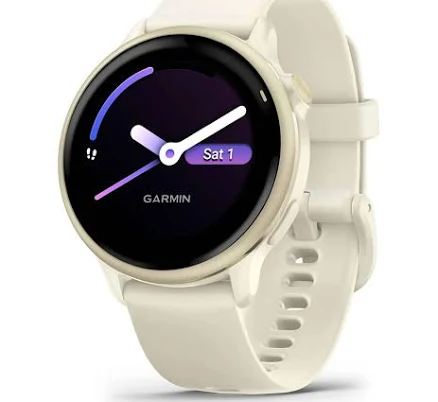
Garmin Vivoactive 6 hits the sweet spot between serious athletic tracking and everyday wearability with a thoughtful design that doesn't scream "sports watch." It monitors training load, recovery time, and offers guided workouts for multiple sports, helping your brother train smarter. The touchscreen is responsive and the interface is intuitive enough that he won't need the manual. Perfect for the fitness-focused brother who wants versatility across multiple activities.
Portable Bluetooth Speakers
A great portable speaker transforms any gathering into an instant party, whether he's heading to the beach, camping, or hosting friends over. These picks deliver impressive sound quality in compact packages that won't weigh him down.
13
JLab Go Party Portable Bluetooth Speaker
Target ★★★★★ 4.8 · 1700
JLab Go Party is a small but mighty portable speaker that punches surprisingly hard for its size, perfect for your brother's weekend plans without adding weight to his backpack. The intuitive controls are easy to manage even on the fly, and the battery lasts through a full day of music listening. The price point makes it feel like a no-brainer gift that he'll actually use constantly. Best for the college roommate, camper, or anyone who values portability above all else.
14
JBL Charge 6 Portable Bluetooth Speaker
Walmart ★★★★★ 4.7 · 7000
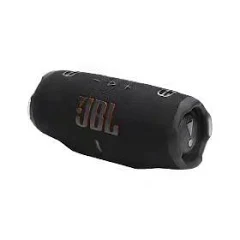
The JBL Charge 6 is a mid-size portable speaker that delivers room-filling sound without being bulky, striking a perfect balance between power and portability. Built-in batteries can charge your brother's phone while the speaker keeps playing, a genuinely useful dual-purpose feature. The construction is rugged enough for outdoor adventures yet refined enough for entertaining at home. Ideal for the brother who hosts gatherings and wants reliable, high-quality audio.
15
Bose SoundLink Flex Portable Bluetooth Speaker
Best Buy ★★★★★ 4.8 · 8100
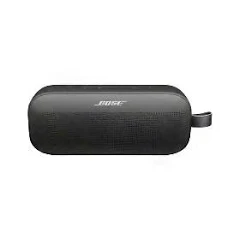
Bose SoundLink Flex brings Bose's signature warm, balanced sound into a portable format that actually survives real-world use with confidence. The weather-resistant design handles spills and splashes, and the battery runs for 12 hours of continuous playback. The 360-degree sound means it sounds great no matter which way it's facing. Perfect for the brother who genuinely cares about audio quality and wants a speaker that will last for years.
16
JBL Go 5 Bluetooth Portable Speaker
Home Depot ★★★★★ 4.9 · 2600
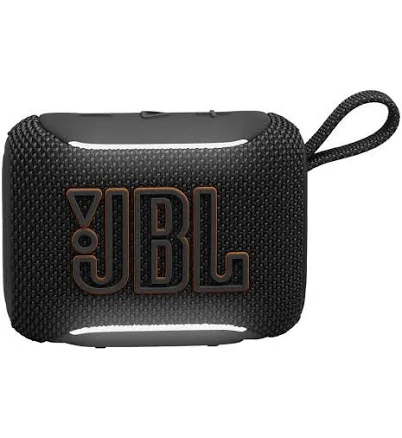
JBL Go 5 is the ultra-compact option that somehow delivers crystal-clear audio despite its tiny footprint, making it perfect for the minimalist brother or anyone who travels light. Weighing just a few ounces, it fits in a pocket yet plays loud enough for a small gathering. The built-in mic handles calls surprisingly well, and the battery lasts through a full workday. Best for the brother who values simplicity and ultra-portability above all.
17
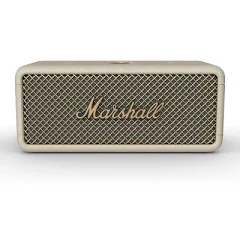
Marshall Emberton Iii Lunar New Year Speaker
Best Buy ★★★★★ 4.9 · 3000
Marshall Emberton III brings iconic Marshall amp design into a modern portable speaker, appealing to the brother with rock-and-roll soul. The sound is warm and dynamic, with real bass and presence that sets it apart from generic portable speakers. The limited Lunar New Year edition adds a collectible factor that music lovers appreciate. Ideal for the brother who cares about music gear heritage and wants his speaker to reflect his personality.
18
JBL Grip Portable Bluetooth Speaker
PC Richard & Son ★★★★★ 4.5 · 722
The JBL Grip is literally designed to be gripped, with a secure handle and rubberized exterior that feels great in your hand during adventures. The compact size doesn't sacrifice audio quality, and it's surprisingly rugged for outdoor use without being a waterproof monster. Partyboost technology lets your brother link multiple speakers for bigger events. Perfect for the active brother who needs a speaker that keeps up with spontaneous plans.
19
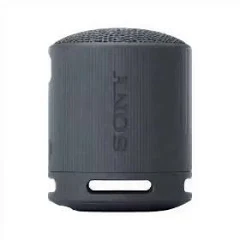
Sony XB100 Portable Bluetooth Speaker
Walmart ★★★★★ 4.8 · 11000
Sony XB100 brings Sony's bass-forward sound signature into a lightweight, wearable package that's genuinely fun for music lovers. The compact size belies the audio quality, and the fast-charge battery gets him back in the game quickly. IP67 waterproofing means it survives splashes and even brief submersion without worry. Best for the brother who loves bass-heavy music and wants a speaker that's easy to carry everywhere.
20
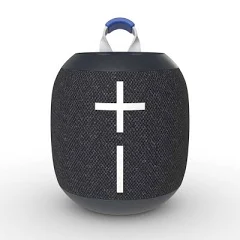
Ultimate Ears WONDERBOOM 4 Bluetooth Speaker
Best Buy ★★★★★ 4.8 · 1600
Ultimate Ears WONDERBOOM 4 is practically indestructible and genuinely fun, making it perfect for the brother with a playful spirit. The floating design means it bounces if dropped and even floats in water, removing anxiety about damage during outdoor adventures. The sound quality is impressive for the size, and the battery stretches to 13 hours per charge. Ideal for the carefree brother who treats his gear hard and needs something that actually survives real life.
21
Klipsch Groove XXL Portable Bluetooth Speaker
Sweetwater ★★★★★ 4.9 · 239
Klipsch Groove XXL delivers signature Klipsch high-fidelity sound in a portable format, perfect for the brother who refuses to compromise on audio quality. The larger form factor creates richer bass and fuller mids than tiny portable speakers, and the build quality feels premium throughout. Hand-tuned by Klipsch engineers, it sounds like they actually care about how it performs. Best for the audio enthusiast brother who wants professional sound without professional speaker size.
USB-C Hubs & Connectivity
For the brother with multiple devices and a tangle of cables, a high-quality USB-C hub is the unsung hero that organizes his desk and workflow. These solutions add ports and connectivity without the mess, perfect for anyone working or creating on the go.
22
Belkin Universal USB-C 8-in-1 Dual Display Core Hub
Best Buy ★★★★☆ 4.4 · 200
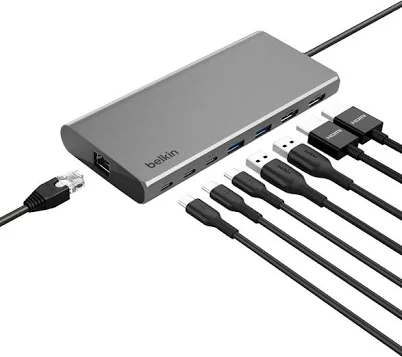
The Belkin Universal USB-C 8-in-1 Dual Display Core Hub transforms a single USB-C port into a complete connectivity station for your brother's laptop. With dual 4K display support, your brother can extend his workspace across multiple monitors or expand his productivity dramatically. The premium aluminum build feels substantial and professional, and the cooling design prevents thermal issues during heavy use. Perfect for the brother with a laptop-centric workflow who needs serious expansion.
23
J5create USB-C Multi-Port Hub
Best Buy ★★★★★ 4.5 · 1300
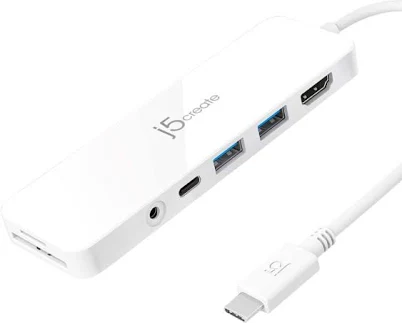
J5create USB-C Multi-Port Hub gives your brother all the essential ports at a price that won't hurt his wallet, making it easy to add connectivity without breaking the bank. The compact design doesn't clutter his desk, and it supports high-speed data transfer across USB-A ports plus HDMI output. At under 35 dollars, it's an easy gift for the practical brother who just needs things to work. Ideal for anyone tired of the USB-C port tyranny.
24
Anker 555 USB-C Hub 8-in-1
Anker US ★★★★★ 4.7 · 544
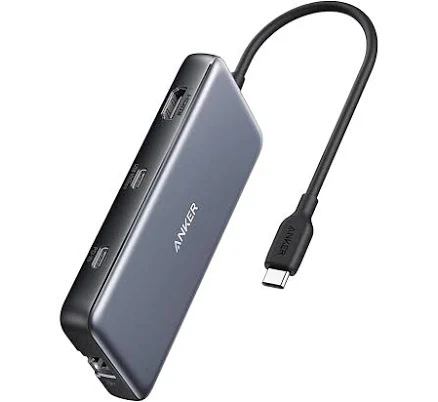
Anker 555 USB-C Hub 8-in-1 packs serious functionality into a sleek aluminum design that actually looks premium on his desk. It supports 100W power delivery for charging while using other ports, meaning your brother never has to choose between powering his laptop and using accessories. The all-metal construction feels like a high-end accessory that will last for years. Best for the creator or knowledge worker who needs a professional-grade connectivity solution.
25
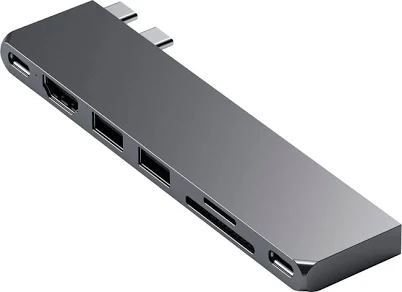
Satechi Pro Hub Slim
Best Buy ★★★★★ 4.6 · 436
Satechi Pro Hub Slim lives up to its name by cramming eight ports into a design that doesn't look like a cable explosion. The aluminum construction feels premium and durable, and it supports dual 4K displays if your brother wants to go full multitasking mode. Passthrough charging at 100W means his laptop stays powered up while everything else connects. Perfect for the organized brother whose desk doesn't have room for cable sprawl.
26
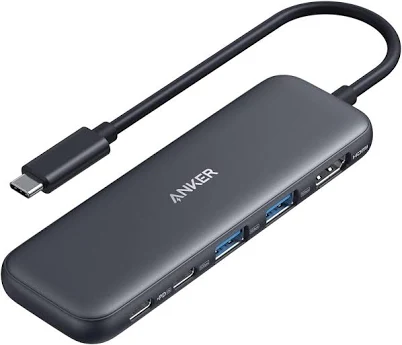
Anker 332 USB-C Hub 5-in-1
Best Buy ★★★★★ 4.7 · 603
The Anker 332 USB-C Hub 5-in-1 is the no-nonsense option that handles the essentials without overcomplicating things for your brother's needs. For under 19 dollars, it adds USB-A ports, HDMI, and SD card reading, covering the most common connectivity needs. The plug-and-play design means no drivers or complex setup - just plug it in and get to work. Ideal for the practical brother who wants basic expansion at an unbeatable price.
27
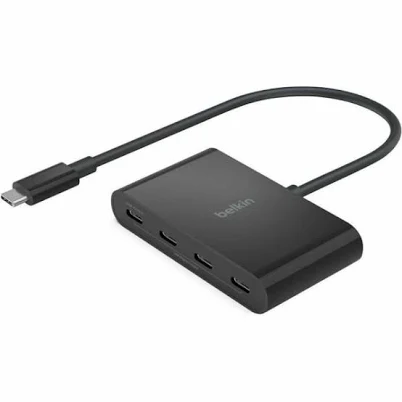
Belkin Connect USB-C to 4-Port USB-C Hub
Office Depot ★★★★★ 4.6 · 224
Belkin Connect USB-C to 4-Port USB-C Hub is specifically designed for the brother who's fully committed to the USB-C ecosystem and wants pure compatibility. Four high-speed USB-C ports mean multiple devices can connect simultaneously without speed compromise. The aluminum design matches modern laptops and peripherals for a cohesive look. Best for the forward-thinking brother who's already moved entirely to USB-C devices.
28
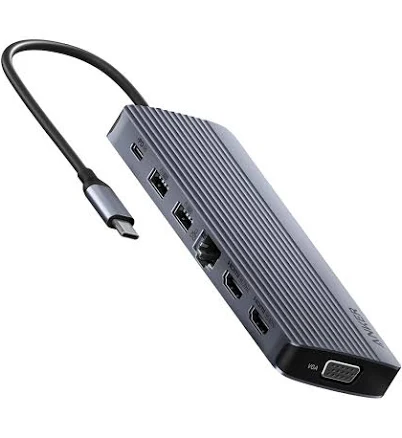
Anker USB-C Hub 14-in-1 Triple Display
Anker US ★★★★★ 4.9 · 36
The Anker USB-C Hub 14-in-1 Triple Display is the nuclear option for your brother's connectivity needs, offering more ports and functionality than most people could use simultaneously. Dual 4K display support plus full bandwidth for data transfer means he can build a truly expansive workspace around this hub. The premium build quality and thoughtful design make it feel like an investment in his productivity. Perfect for the power user brother with multiple devices and serious multitasking needs.
How We Ranked These Gifts for Brothers
We built this list to answer one search that never seems to get a straight answer: what to actually buy your brother. Instead of dumping dozens of random novelty items, we focused on gear a brother will reach for on a normal day. Every pick had to clear three tests before it made the cut.
Real-world usefulness. We prioritized things he can use the day he unwraps them, like a magnetic power bank, a smartwatch, a Bluetooth speaker, or a USB-C hub, over decorative pieces that end up on a shelf. If a brother is unlikely to touch it after week one, it did not belong here.
Verified retailer ratings. Each product carries its live rating and review count from a major retailer such as Best Buy, Target, Walmart, Apple, or the brand's own store. We leaned toward items with strong ratings across a large number of reviews, so the recommendation reflects thousands of buyers rather than one hot take.
Spread across budgets and personalities. We deliberately mixed price ranges, from under-$20 accessories to premium tech, and covered different brother types, whether he is a commuter, a runner, an outdoor adventurer, a music lover, or a desk-bound power user. That way there is a genuine match no matter who you are shopping for or how much you want to spend.
Best Gifts for Brothers by Age
The single biggest factor in getting this right is where your brother is in life. A teenager, a twenty-something, and an older brother building a home each want very different things, even from the same categories above. Here is how to steer the picks on this list by age.
Teen brothers (roughly 13-17)
Teens gravitate toward gear that is fun, social, and shareable. From the lists above, a compact Bluetooth speaker like the JLab Go Party, the JBL Go 5, or the floating Ultimate Ears WONDERBOOM 4 is an easy win for a bedroom, a locker room, or a first camping trip with friends. A budget fitness watch such as the Amazfit Active 2 introduces health tracking without a scary price tag, and an affordable magnetic power bank keeps his phone alive through a full day of school and gaming. Keep most teen gifts in the under-$100 range so it feels generous without going overboard.
College and young-adult brothers (roughly 18-29)
This is the dorm-room-to-first-apartment stretch, so portability and doing more with less matter most. A rugged, weather-resistant speaker like the Bose SoundLink Flex or Sony XB100 travels from the quad to the beach, while a mid-range smartwatch keeps him on top of classes, workouts, and a first job. If he is heading into a laptop-centric routine, an affordable USB-C hub such as the J5create or the Anker 332 5-in-1 turns a single port into a real workspace. A slim MagSafe power bank rounds out the kit for someone always on the move.
Adult brothers (30s and up)
Older brothers usually already own the basics, so lean into quality and capability upgrades. A premium smartwatch like the Samsung Galaxy Watch7, Garmin Venu 4, or the running-focused Garmin Forerunner 265 rewards someone serious about fitness or the outdoors. On the desk side, a professional-grade hub such as the Anker 555 8-in-1, the Satechi Pro Hub Slim, or the dual-display Belkin Core Hub cleans up a work-from-home setup with 100W passthrough charging. For the brother who entertains, a room-filling speaker like the JBL Charge 6 or the Marshall Emberton III fits a grown-up home. This is also where pooling funds with siblings for one standout gift makes the most sense.
Gifts for Brothers by Age and Budget at a Glance
Not sure where to start? This table maps the categories on this list to the age and budget they suit best, so you can jump straight to the right section above.
| Category | Best for age | Typical budget | Top pick on this list |
|---|
| Magnetic power banks | Any age | Under $50 | Energizer SLIM METAL 20W |
| Budget fitness watches | Teens and college | Around $100 | Amazfit Active 2 |
| Premium smartwatches | Adults | $250-500 | Samsung Galaxy Watch7 |
| Compact Bluetooth speakers | Teens | $30-70 | Ultimate Ears WONDERBOOM 4 |
| Room-filling speakers | Adults who host | $130-160 | JBL Charge 6 |
| Budget USB-C hubs | College and young adults | Under $35 | Anker 332 5-in-1 |
| Pro USB-C hubs | Working adults | $50-120 | Anker 555 8-in-1 |
How to Choose the Right Gift for Your Brother
Set a realistic budget first. Gifts for brothers range widely in price. Budget $20-50 for casual occasions or stocking stuffers like socks and gadget accessories. Mid-range gifts ($50-150) work well for birthdays and include items like quality wallets, smart devices, or hobby gear. For major milestones or if you're pooling funds with siblings, $150+ opens doors to premium tech, personalized watches, or high-end outdoor equipment. Whatever you spend, thoughtfulness matters more than the price tag.
Match the gift to the occasion and his lifestyle. A gift for a brother who loves gaming differs from one who's outdoorsy or a homebody. Consider whether he appreciates sentimental touches or prefers purely practical items. For birthdays, lean into his current interests. For holidays or "just because" moments, everyday essentials like a premium water bottle or grooming kit work across the board. Pay attention to hints he's dropped over recent months-those often reveal what he actually needs.
Personalization elevates even simple gifts. Adding his initials to a wallet, engraving a watch, or customizing a photo frame transforms a standard present into something memorable. If customization isn't available, pair a gift with a handwritten note explaining why you chose it. Small touches like choosing a meaningful color or wrapping it thoughtfully show he's on your mind.
Avoid common missteps. Don't buy duplicate items he already owns, and steer clear of trendy gadgets that might feel dated quickly unless you're sure he'll use them. Generic "guy gifts" like novelty mugs or cheap cologne often miss the mark. Also, be cautious with very personal items like cologne or skincare products unless you know his exact preferences. Finally, avoid overly fragile or decorative pieces if he's more practical-minded-gifts should complement his actual lifestyle, not sit unused on a shelf.
Prices and availability may change. Products are independently selected.
Frequently asked questions
What gifts can I get my brother?
Options span across interests: tech gadgets like portable chargers or smartwatches, practical accessories such as wallets or water bottles, hobby-specific gear like tools or camping equipment, comfort items including weighted blankets or grooming kits, and personalized pieces like engraved watches. The best choice depends on his lifestyle, interests, and your budget. Consider what he actually uses daily.
What are good gifts for brothers from sisters?
Sisters often excel at choosing thoughtful, personalized gifts. Consider personalized accessories like monogrammed wallets, custom photo frames with family memories, engraved watches, or sentimental keepsakes. You can also go practical with tech gadgets, grooming kits, or hobby gear he's mentioned wanting. The advantage of being a sibling is knowing his tastes well enough to choose something genuinely meaningful.
What makes a gift unique for a brother?
Unique gifts stand out by combining personalization with practicality. Avoid generic novelty items; instead, choose things tailored to his actual interests-whether that's custom engraving on everyday items, specialized gear for his hobbies, or high-quality versions of essentials he uses regularly. Unique doesn't mean expensive; it means thoughtful and specific to him.
What are good birthday gifts for brothers?
Birthday gifts allow for something a bit more special than everyday presents. Consider premium versions of everyday items (luxury wallet, high-end smartwatch), experience-based gifts if his interests lean that way, personalized pieces that commemorate the occasion, or hobby-specific upgrades he's been wanting. Combine practicality with a personal touch for maximum impact.
What budget should I set for a brother's gift?
Budget depends on occasion and your situation. Casual gifts or stocking stuffers: $20-50. Birthday or holiday gifts: $50-150. Major milestones or group gifts: $150+. Remember that thoughtfulness trumps spending. A well-chosen $35 gift often means more than a generic $100 item. Consider pooling money with siblings for higher-value presents he'd love.
Should I choose practical or fun gifts for brothers?
The best gifts balance both. Practical items he'll use daily (wallets, portable chargers, quality socks) show you understand his lifestyle. Fun elements-personalization, unexpected color, premium quality-make them memorable. Avoid purely decorative gifts that sit unused. Even "fun" gifts should serve a purpose or fit his interests, whether that's gaming, sports, or hobbies.
How do I personalize a gift for my brother?
Add his initials or name through engraving on wallets, watches, or desk items. Choose photo-based gifts with meaningful family moments. Select colors or styles matching his preferences. Include a handwritten note explaining why you chose it. Pair a standard item with something custom, like a quality wallet plus personalized card holder. Small touches transform ordinary gifts into keepsakes.
What gifts work for brothers at any age?
Timeless gifts include quality wallets, durable water bottles, grooming kits, and smart tech like portable chargers. Hobby-specific gear works across ages if you know his interests. Personalized items like watches or frames appeal universally. Comfort items such as weighted blankets suit any brother. The key is matching the specific item to his current lifestyle rather than age alone.
What are the best gifts for a brother by age?
Match the gift to his life stage. For teen brothers (13-17), a fun compact Bluetooth speaker or a budget fitness watch like the Amazfit Active 2 works well and stays under $100. For college and young-adult brothers (18-29), lean into portable, do-more gear such as a rugged speaker or an affordable USB-C hub for his laptop. For adult brothers (30s and up), upgrade to quality: a premium smartwatch like the Samsung Galaxy Watch7 or a professional USB-C hub for his desk.
What are good gifts for a teenage brother?
Teens like gear that is fun and shareable. A compact, durable Bluetooth speaker such as the JBL Go 5 or the floating Ultimate Ears WONDERBOOM 4 is a reliable hit, and a budget-friendly fitness watch or a slim magnetic power bank keeps his phone alive through school and gaming. Keeping most teen gifts under $100 feels generous without going overboard.
What are good gifts for an adult brother?
Older brothers usually own the basics, so focus on quality upgrades. A premium smartwatch like the Garmin Venu 4 or Samsung Galaxy Watch7 suits someone into fitness, a professional USB-C hub such as the Anker 555 cleans up a work-from-home desk, and a room-filling speaker like the JBL Charge 6 fits a brother who entertains at home.
How did GiftX choose these gifts for brothers?
Every pick had to be genuinely useful the day he unwraps it, carry a strong live rating and review count from a major retailer, and fit a clear age and budget so there is a match for any brother. You can also save any of these as a shared wishlist and let the free GiftX AI gift picker suggest more ideas at giftx.tech.
 GiftX
GiftX