 GiftX
GiftXFinding the perfect gifts for men doesn't have to be complicated. Whether you're searching for a unique gift, a luxury option, or something budget-friendly, 2026 has brought a wave of thoughtfully designed products that combine style, functionality, and genuine innovation. Men's gift shopping has evolved beyond the typical safe choices, offering everything from tech gadgets to everyday essentials that actually solve real problems.
Save this as your wishlist - free AI gift picker
Love these picks? Save them as your shared wishlist in seconds, then let GiftX's free AI find even more gift ideas for anyone on your list.
Get GiftX on iOS Get it on Google Play Try the free AI gift picker
This year's standout picks focus on gifts that blend practicality with personality. We've curated selections across multiple categories to help you find exactly what fits your recipient, your relationship, and your budget. Whether it's a Christmas gift, a birthday surprise, or a just-because present, these recommendations are chosen for their quality, durability, and the genuine appreciation they receive.
Premium Headphones for Every Budget
A great pair of headphones elevates everything from commutes to workouts. These nine standouts span price points and styles - from compact earbuds to over-ear powerhouses - all engineered for crystal-clear sound and active noise cancellation. Each has earned its spot through genuine user ratings above 4.3.
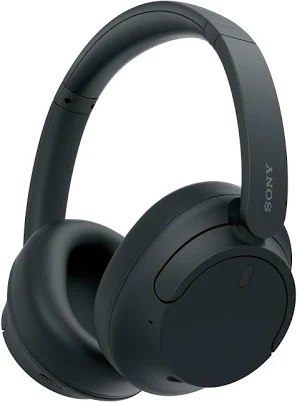
Sony WH-CH720N Noise Canceling Wireless Headphones
Sony's WH-CH720N are wireless headphones that deliver active noise cancellation, touch controls, and up to 35 hours of battery life in a lightweight design. They're ideal for the man who spends his day juggling calls, music, and focus time. The standout here is the lightweight build - at just 192 grams, they won't fatigue your ears during long wearing sessions, yet they feel solid and well-built. Best for the professional or student who needs reliable, comfortable headphones for work or study without breaking the bank.
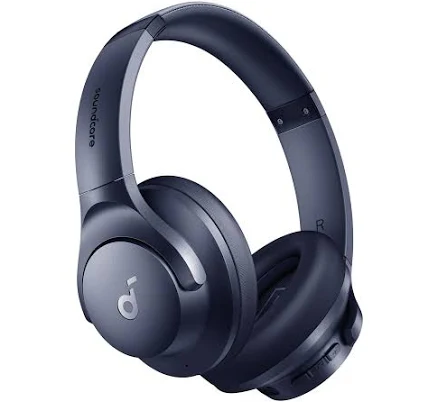
Anker Soundcore Q20i Hybrid Active Noise Cancelling Headphones
Anker's Soundcore Q20i deliver hybrid active noise cancellation and a custom sound profile app that lets you fine-tune the audio to your exact preferences. At under fifty dollars, they're an exceptional value gift for someone who appreciates premium sound without the luxury price tag. What sets them apart is the dual noise-cancelling mode - you can switch between different levels depending on whether you're in a noisy office or a quiet space. Perfect for the budget-conscious audiophile or everyday listener who refuses to compromise on quality.
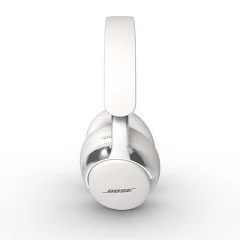
Bose QuietComfort Ultra Headphones
Bose's QuietComfort Ultra Headphones represent the premium end of the market - they're engineered with world-class active noise cancellation and pristine audio clarity that justifies their investment. Give these to someone who truly values silence and superior sound, whether he's working in open offices or traveling internationally. The highlight is their spatial audio with head tracking, which creates an immersive listening experience that feels like a live performance. Ideal for the discerning listener who wants the absolute best and appreciates craftsmanship.
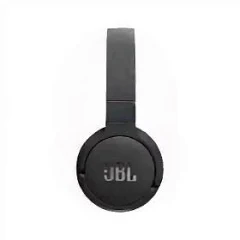
JBL Tune 670NC Wireless Noise Cancelling On-Ear Headphones
JBL's Tune 670NC are on-ear wireless headphones with active noise cancellation and a 72-hour battery life - meaning weeks between charges. They're compact enough to travel with, yet powerful enough to handle daily listening across multiple devices. The real standout is that 72-hour battery: a single charge genuinely lasts longer than most vacations. Best suited for the frequent traveler or commuter who wants reliable, no-fuss headphones that actually stay charged.
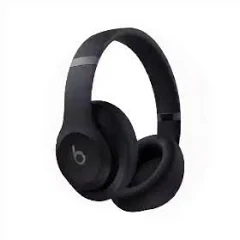
Beats Studio Pro Wireless Headphones
Beats Studio Pro deliver premium sound with active noise cancellation, transparency mode for ambient awareness, and the Apple ecosystem integration that appeals to iPhone and Mac users. They're the gift for the creative professional who wants headphones that match his tech lifestyle. The seamless pairing across Apple devices means he's never fumbling with settings - just grab them and go. Perfect for the Apple devotee who appreciates design-forward audio and effortless connectivity.
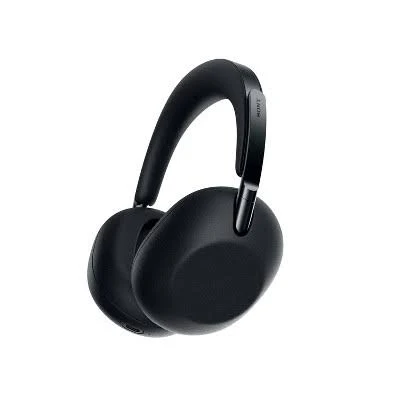
Sony 1000X THE COLLEXION Wireless Noise Cancelling Headphones
Sony's WH-1000X THE COLLEXION Wireless Headphones represent peak noise-cancellation engineering with a premium sound signature, superior call quality, and up to 30 hours of battery life. These are the choice for someone who travels extensively or works in genuinely demanding audio environments. The real story here is the advanced noise-cancelling processor that adapts in real-time to your environment - airplane, office, or coffee shop. Meant for the audiophile or globe-trotter who sees headphones as an investment in daily comfort and audio quality.

Bose QuietComfort Headphones
Bose's QuietComfort Headphones offer that legendary Bose noise cancellation in a refined design with intuitive touch controls and excellent call clarity. They're a solid choice for someone who wants Bose's reputation without the ultra-premium pricing. The standout feature is the touch control system - adjusting volume or pausing playback feels natural and responsive after just a few minutes of use. Best for the straightforward guy who wants proven, reliable technology without unnecessary bells and whistles.
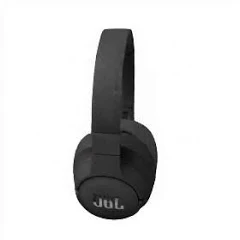
JBL Tune 770NC Wireless Noise Cancelling Over-Ear Headphones
JBL's Tune 770NC are over-ear wireless headphones combining active noise cancellation with a spacious soundstage and 65-hour battery life. They're generous enough to gift to someone serious about daily audio, whether he's gaming, streaming, or just chilling. The oversize ear cups provide genuine comfort for extended wear - no pinching after two hours. Ideal for the gamer, music enthusiast, or anyone who spends serious time with headphones on.
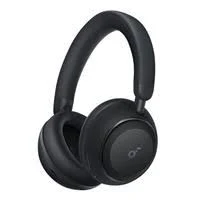
Soundcore Space 2 Wireless Over-Ear Headphones
Soundcore's Space 2 Wireless Over-Ear Headphones deliver hybrid active noise cancellation and an impressive sound profile at a mid-range price point. They're perfect for gifting to someone who wants high-end performance without the luxury brand markup. The hybrid ANC system uses both outward and inward-facing mics to intelligently cancel different types of noise - perfect for everything from offices to public transit. Best for the practical listener who values performance and value equally.
Portable Power for the Always-On Lifestyle
Nobody wants their phone to die mid-day. These seven power banks range from ultra-slim designs you can slip in a pocket to high-capacity units that charge multiple devices. Whether he's traveling, working remotely, or just living life unplugged between outlets, here's your solution for keeping him powered up.
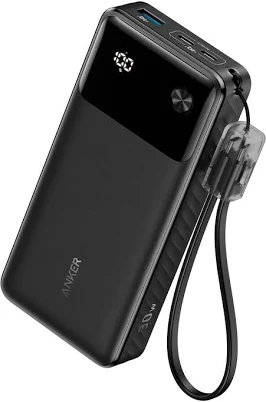
Anker 20000 mAh Power Bank
Anker's 20000 mAh Power Bank is a portable charging powerhouse that can refill a smartphone four to five times on a single charge, with dual ports for charging two devices simultaneously. It's the gift for the always-on guy who refuses to be tethered to a wall outlet. The build quality feels premium - metal and plastic construction that can handle drops and bumps - and it charges both older micro-USB devices and newer USB-C phones. Perfect for anyone who travels, commutes, or just lives away from chargers.
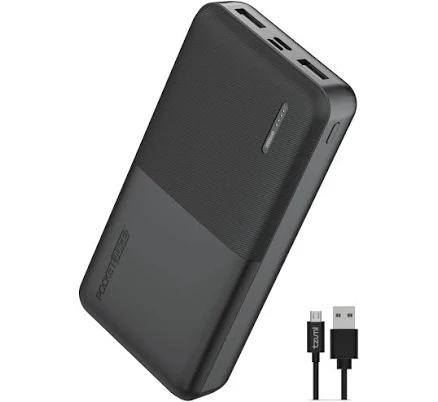
Pocket Juice Slim Pro Portable Power Bank and Charger
Pocket Juice's Slim Pro is a ultra-compact portable charger that weighs just 5.9 ounces but packs serious charging capability into a wallet-sized design. It's ideal for the minimalist who carries everything in his pocket. The real magic is how thin it is - thinner than a phone - so it genuinely fits in back pockets or jacket breast pockets without adding bulk. Best for the guy on the move who needs charging backup without carrying extra weight.
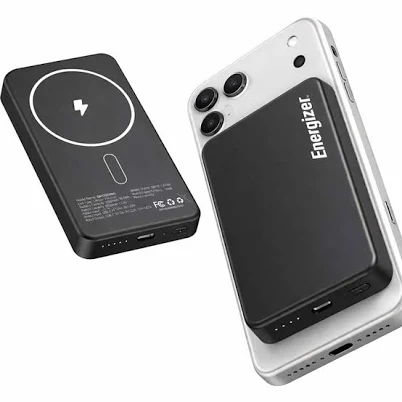
Energizer SLIM METAL 20W Magnetic Wireless Qi/Qi2.0/MagSafe PowerBank
Energizer's SLIM METAL 20W Magnetic Wireless Qi/Qi2.0/MagSafe PowerBank combines wireless and wired charging into one compact package with MagSafe compatibility. It's perfect for the iPhone user who wants the convenience of magnetic wireless charging without fumbling with cables. The aluminum construction looks sleek and feels premium - it's actually a genuine desk accessory. Best suited for the modern guy with multiple Apple devices who appreciates elegant, integrated design.
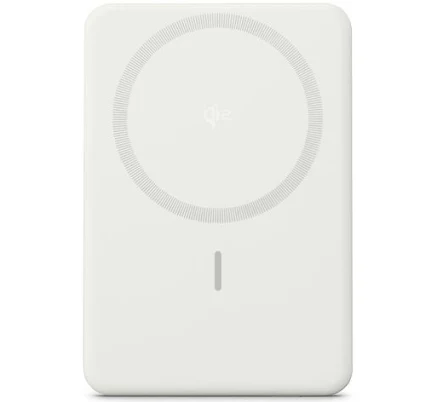
Anker MagGo 5K Slim Power Bank
Anker's MagGo 5K Slim Power Bank is a magnetic charging solution specifically designed for MagSafe-equipped iPhones and Android MagSafe cases. It's the gift for someone deep in the Apple ecosystem who wants MagSafe charging that actually works. The slim form factor means it doesn't obscure your phone's design - it's meant to be attached and used as a unified device. Ideal for the iPhone 12+ owner who genuinely uses MagSafe and wants the most elegant charging option available.
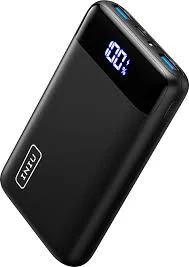
INIU Portable Charger 22.5W 20000mAh USB C in & Out Power Bank Fast Charging
INIU's Portable Charger delivers 22.5W fast charging with 20000 mAh capacity across dual USB-C and USB-A ports - meaning simultaneous fast charging for multiple devices. It's perfect for the power user or remote worker who juggles a phone, tablet, and laptop. The standout is the smart chip that automatically detects and optimizes charging for whatever device you plug in - no fumbling with settings or wondering about safety. Best for the multitasking professional who refuses to wait for slow charging.
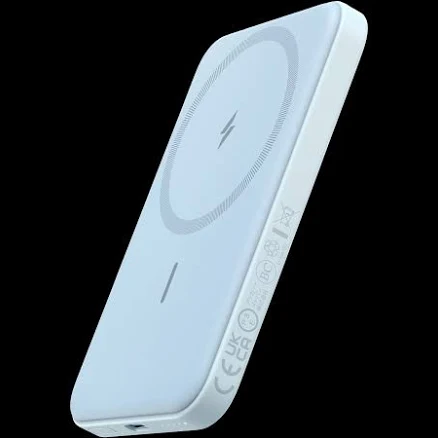
Anker MagGo Magnetic Battery
Anker's MagGo Magnetic Battery is a compact magnetic power bank designed for wireless charging with MagSafe devices. It's the minimalist choice for someone who wants charging without wires or cases getting in the way. The magnetic attachment is genuinely seamless - snap it to your phone and go, and it'll charge silently in your pocket or on a desk. Perfect for the Apple user who values simplicity and integrated design.
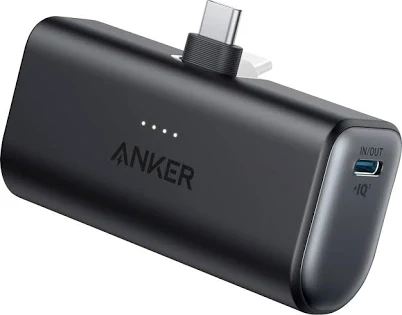
Anker Nano Power Bank
Anker's Nano Power Bank is a credit-card-sized portable charger that somehow fits a meaningful charge into the smallest possible package - perfect for emergency top-ups without bulk. It's ideal for the guy with minimal bag space or someone who just wants to throw it in a jacket pocket. The durability is impressive for such a small device, and the built-in USB-C cable means no lost adapters. Best for the minimalist traveler or anyone who forgets chargers at home.
Smart Watches for the Active Guy
A quality smartwatch is the gift that keeps working - tracking fitness, managing notifications, and looking sharp all day. These six watches combine performance-driven features with real-world durability, perfect for the man who values both function and form.
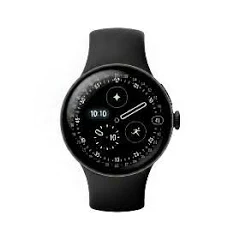
Google Pixel Watch 4
Google's Pixel Watch 4 is a smartwatch purpose-built for Android users, featuring Wear OS, integrated Google Assistant, fitness tracking, and a vibrant AMOLED display. It's the obvious choice for the Android enthusiast or Google ecosystem devotee. The standout is the deep integration with Google services - you get real-time navigation, Gmail notifications, and Google Pay without friction. Perfect for the tech-forward Android user who wants a watch that understands his digital life.
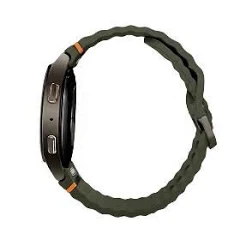
Samsung Galaxy Watch7
Samsung's Galaxy Watch7 combines Samsung's wearables expertise with Wear OS 4, advanced fitness tracking, and a gorgeous display in both round and square designs. It's ideal for the Samsung phone owner or anyone who appreciates refined wearable design. The standout feature is the bioelectrical impedance analysis that measures body composition - genuinely useful health data you don't get on most watches. Best for the fitness-conscious guy or Samsung loyalist who wants a polished, feature-rich smartwatch.
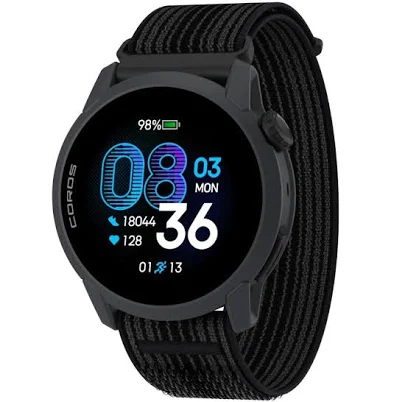
COROS Pace 4 GPS Watch
COROS Pace 4 is a GPS sports watch engineered specifically for runners and multisport athletes, with multi-band GPS, advanced training metrics, and two-week battery life. It's the gift for the serious runner or triathlete who needs reliability on race day. The standout is the battery life - two weeks means you're never scrambling to charge mid-training cycle, and the GPS is precise enough for serious race prep. Perfect for the athlete who treats training with the same dedication as competition.
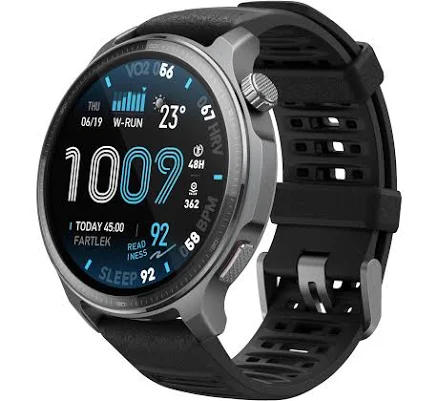
Amazfit Balance 2 XT Smartwatch
Amazfit's Balance 2 XT Smartwatch balances lifestyle tracking with sports features, offering stress monitoring, sleep tracking, and fitness data in a slim, attractive design. It's ideal for the busy professional who wants health insights without a bulky sports watch on his wrist. The highlight is the stress and heart rate monitoring that actually integrates into daily life - subtle, always on, never intrusive. Best for the health-conscious guy who doesn't identify as a hardcore athlete.
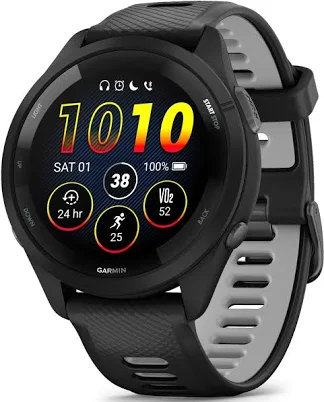
GARMIN FORERUNNER 265
Garmin's Forerunner 265 is a premium running watch engineered with multi-GNSS, advanced running metrics, and nearly two weeks of battery life in training mode. It's the choice for the dedicated runner who researches training data and takes race performance seriously. The standout is the training readiness score that tells you when you're truly recovered enough for hard efforts - it's the coach on your wrist. Perfect for the serious athlete or fitness enthusiast who optimizes performance through data.
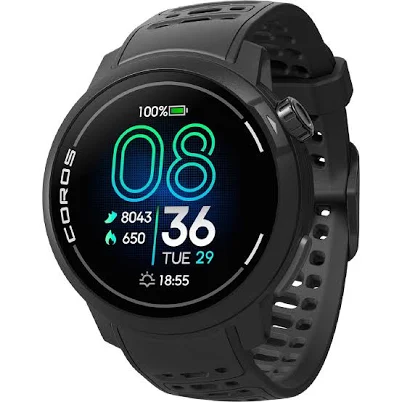
COROS Pace Pro GPS Sport Watch
COROS Pace Pro GPS Sport Watch is the premium multisport option with ultralight design, multi-band GPS, and training features engineered for triathletes and serious distance athletes. It's the gift for someone competing at a meaningful level who needs a watch that matches his ambition. The real standout is the ultralight titanium construction - it's the most comfortable watch you'll ever wear for 12+ hour training days. Ideal for the dedicated multisport athlete who leaves nothing to chance in preparation.
Cable Management and Cord Organization
Those tangled cables in a drawer? Gone. These six organizers and cases solve the eternal problem of keeping cords, chargers, and electronics neatly tucked away. Compact enough for travel, durable enough for daily use - the unsung hero every guy's desk (or bag) actually needs.
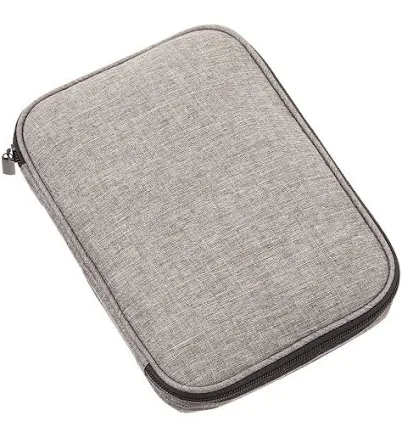
UT Wire Pocket for Family Travel Organizer Case
UT Wire's Pocket for Family Travel Organizer is a compact cable and accessory case designed to keep chargers, adapters, and cords neatly separated and tangle-free. It's perfect for the frequent traveler or remote worker who gets tired of untangling electronics. The compartments are sized for real-world use - one pocket for power adapters, one for charging cables, one for earbuds or smaller items. Best for the organized guy or anyone whose desk drawer looks like a cable explosion.
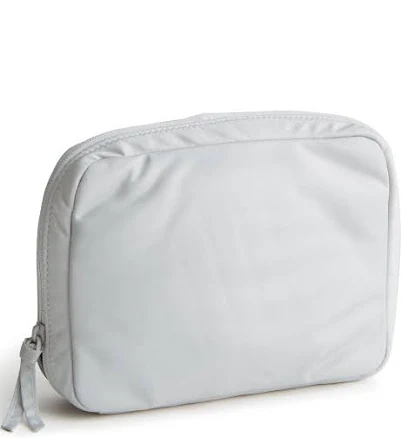
Vera Bradley Cord Organizer
Vera Bradley's Cord Organizer is a compact fabric case with interior pockets sized for different cable types, finished in their signature bold prints. It's ideal for adding a touch of personality to cable management while keeping everything accessible. The soft fabric exterior won't scratch your devices, and the interior organization actually makes sense - USB, power, headphones all have their place. Perfect for the guy who doesn't want his organizer looking purely utilitarian.
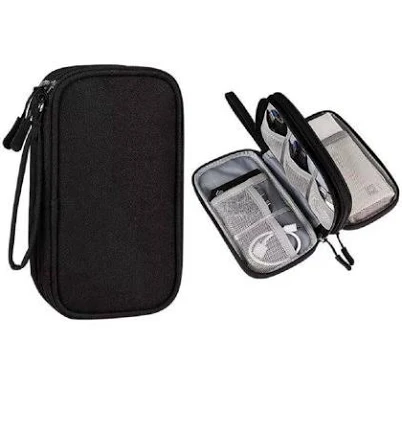
Tika Double Layer Electronics Organizer Travel Case
Tika's Double Layer Electronics Organizer Travel Case provides extensive organization with multiple compartments and layers, accommodating everything from cables to external hard drives. It's the comprehensive solution for someone with serious electronics to manage - tech guys, photographers, content creators. The protective padding keeps fragile items safe, and the double-layer design means you can segregate different types of gear. Best for the power user with multiple devices and accessories.
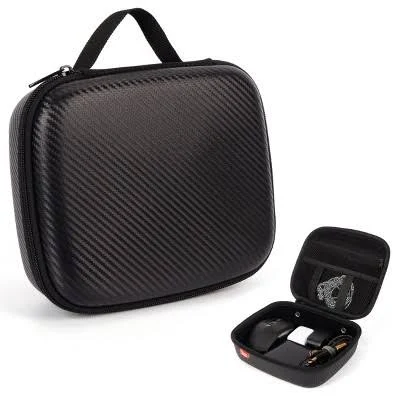
ZIPIT Carbon Electronic Organizer Case
ZIPIT's Carbon Electronic Organizer Case combines sleek carbon fiber aesthetics with genuine functionality, featuring elastic loops and pockets sized for cables, adapters, and small accessories. It's the gift for someone who wants cable management that doesn't look purely practical. The carbon fiber design is modern and sophisticated - it's something he'll actually want visible on a desk. Perfect for the style-conscious guy who refuses to sacrifice form for function.
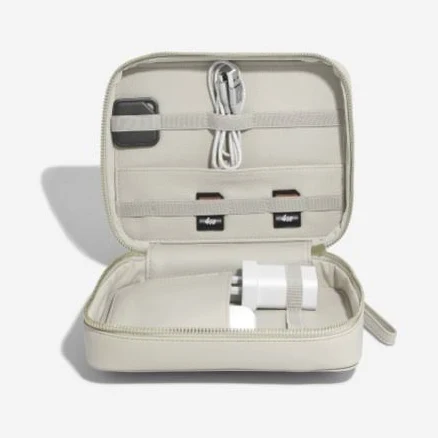
Stackers Pebble Charger and Headphones Case
Stackers' Pebble Charger and Headphones Case is a dual-purpose organizer that manages charging cables and headphones simultaneously in a compact leather case with interior pockets. It's ideal for the guy who travels light but needs everything organized - perfect for a work bag or suitcase. The premium leather exterior suggests quality, while the interior organization is genuinely thoughtful. Best for the minimalist traveler or professional who appreciates tasteful design.
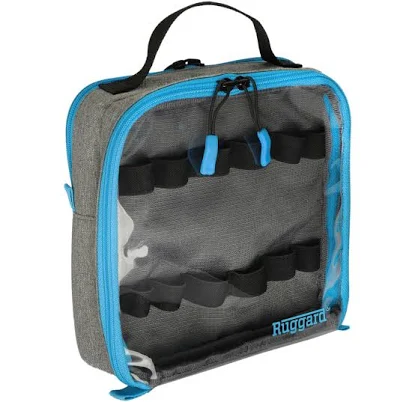
Ruggard Cable Case
Ruggard's Cable Case is a rugged, protective organizer with dividers for organizing different cable types and built to withstand travel wear. It's perfect for someone who travels with extensive electronics or works in demanding environments. The durable exterior can handle being tossed in bags, and the interior organization with elastic loops keeps everything accessible. Best for the tech professional or adventurous guy who needs gear that can take abuse and keep smiling.
How to Choose the Right Gift for Him
Set a realistic budget and explore options within your price range. Gifts for men span every price point - from thoughtful accessories under $25 to premium tech and luxury items exceeding $200. Consider what feels comfortable for your relationship and situation. A coworker might appreciate something in the $15-30 range, while a spouse or close friend could justify a $75-150 investment. Premium items often deliver better durability and perceived value, but a well-chosen $40 gift beats a thoughtless $150 purchase.
Match the gift to the occasion and your relationship. A Christmas gift allows for something more substantial and personal than a small thank-you present for a coworker. Think about the context - is this celebrating an achievement, marking a holiday, or simply brightening someone's day? Gifts for close relationships can be more intimate or hobby-specific, while workplace gifts should remain professional and universally appropriate.
Add a personal touch that makes it memorable. Personalization transforms a good gift into a great one. Initials on a wallet, an engraving on a watch, or a custom note with your gift makes it feel thoughtful rather than generic. Consider his daily habits, hobbies, or running jokes between you - the best gifts acknowledge something specific about him. This doesn't require expensive customization; sometimes it's as simple as pairing a gift with a heartfelt message.
Avoid common pitfalls that make gifts feel impersonal. Skip novelty items that seem funny but won't get used, overly trendy pieces that will feel dated quickly, and anything requiring him to guess your taste level. Don't default to cologne or socks just because you're unsure - they're safe but forgettable. Most importantly, avoid gifts that feel like chores disguised as presents, such as items implying he needs to change something about himself.
Prices and availability may change. Products are independently selected.
Save this as your wishlist - free AI gift picker
Love these picks? Save them as your shared wishlist in seconds, then let GiftX's free AI find even more gift ideas for anyone on your list.
Get GiftX on iOS Get it on Google Play Try the free AI gift picker